
Alternatively, use the tool. You can find this in the WinCC installation directory (usually bin folder). Running this script terminates all background WinCC processes safely. 4. Verify SQL Server (WinCC Instance) WinCC 7.5 uses a specific SQL instance named WINCC . Press Win + R , type services.msc , and hit Enter. Locate SQL Server (WINCC) .
Keep the path as short as possible (e.g., D:\WinCC_Projects\MyProject ).
Siemens provides a tool called the (often referred to as the "CCCleaner"). If your project database has become corrupted or "locked," this tool can help clear the temporary cache. Note: Use this as a last resort and ensure you have a backup of your project before performing deep system cleans.
In this guide, we will break down the most common causes and provide a step-by-step resolution path to get your SCADA system back online. Common Causes of the Error
You must log out and log back into Windows for these changes to take effect. 2. Check the WinCC Project Path WinCC is sensitive to where your project is saved.
WinCC relies heavily on Microsoft SQL Server; if the instance is stopped or the database is detached, the application won't start.
Encountering the error message when launching Siemens WinCC V7.5 can be a major roadblock. This error typically suggests that a core component of the WinCC runtime or explorer is failing to initialize, often due to permission conflicts, database issues, or corrupted installation files.
The current user is not part of the required Siemens-specific user groups.
Always run the project from a local hard drive (e.g., C: or D:).
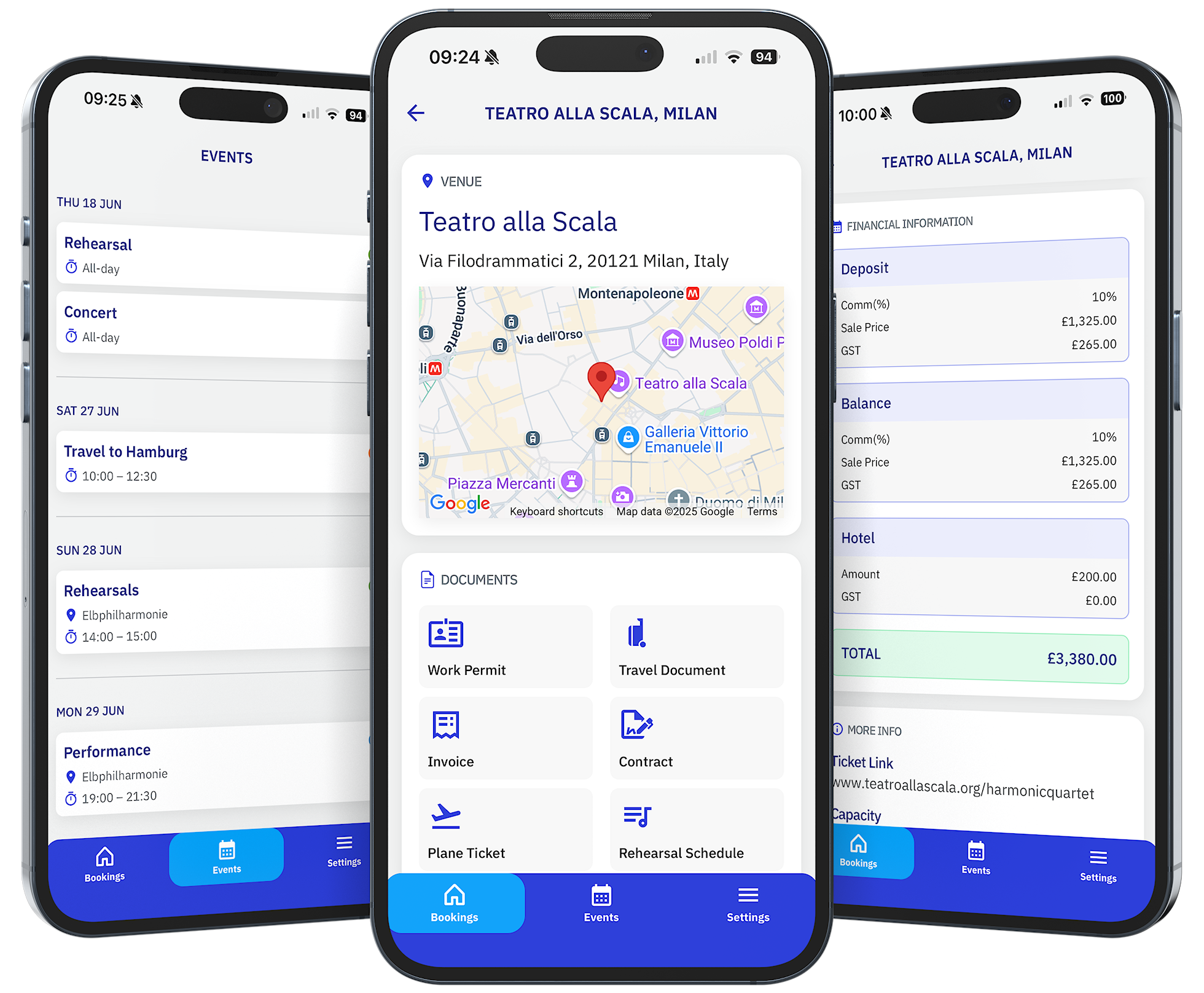
Booking Access for Your Roster. Keep artists connected with their bookings, schedules, documents, and programmes wherever they are.


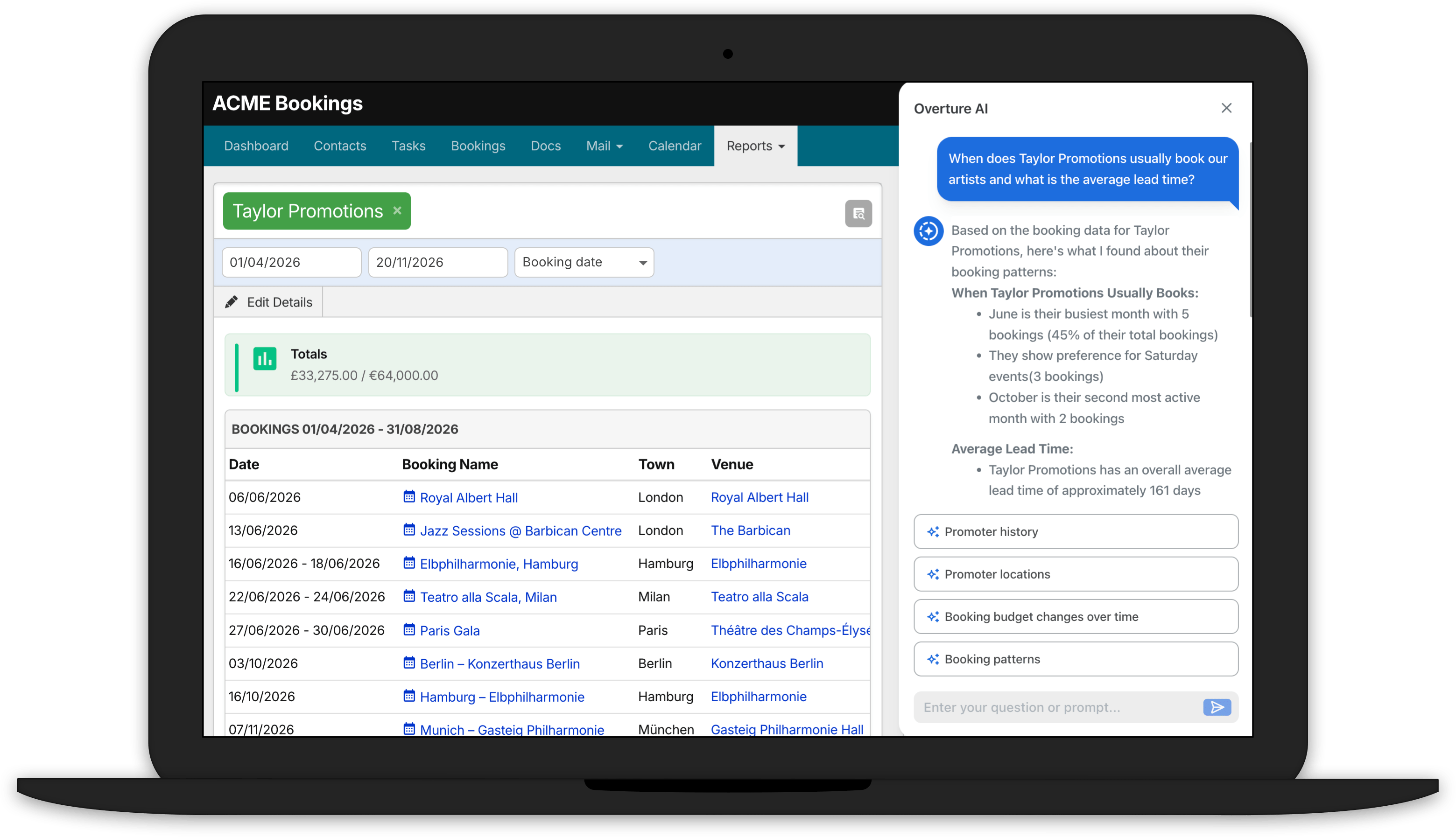
Your smart assistant for booking management helping agencies automate admin tasks, analyze data, and streamline operations with conversational tools and intelligent workflows.
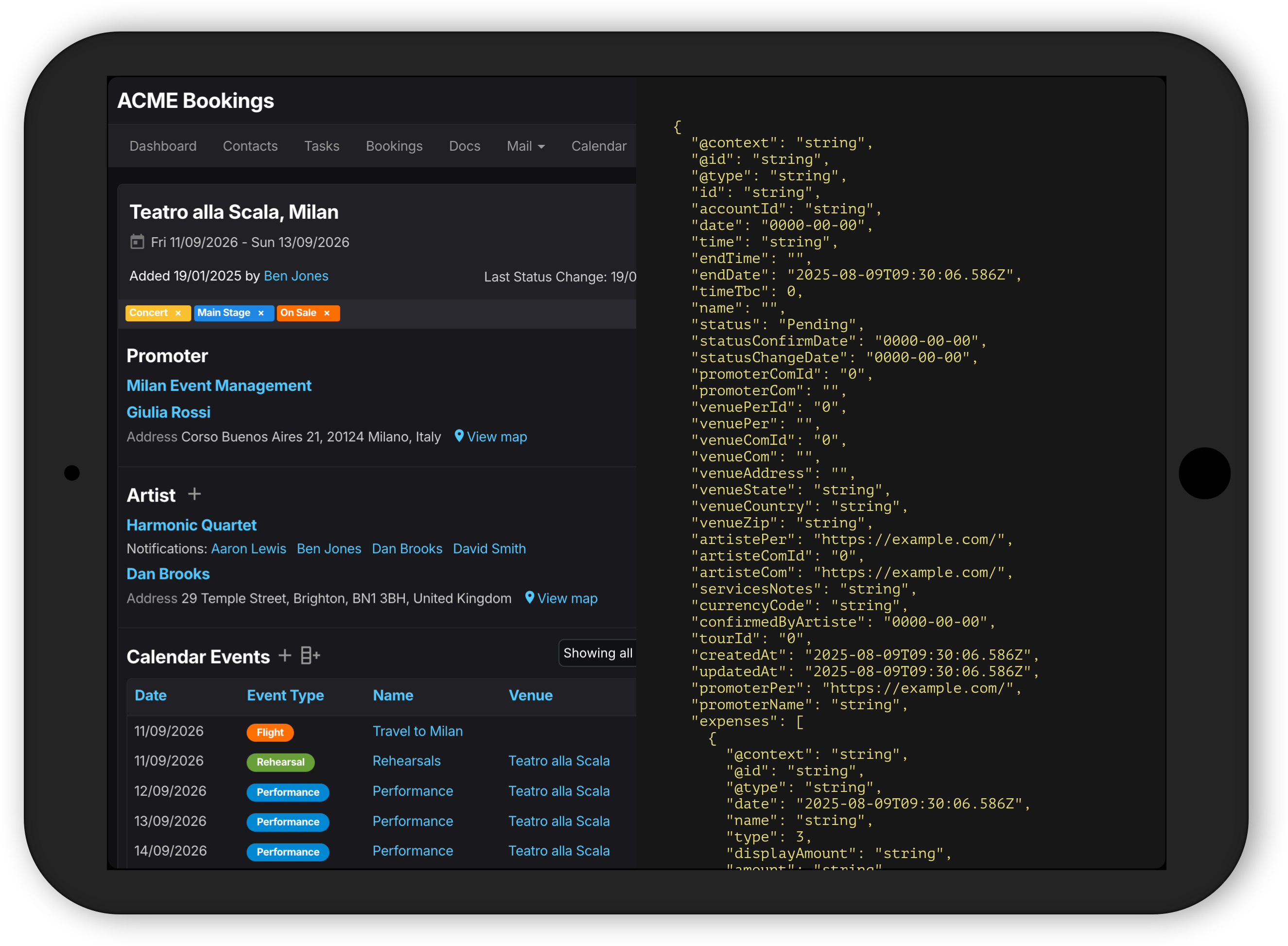
A secure, developer-friendly REST API that lets you integrate Overture with your website and internal tools, automate admin tasks, and build custom dashboards. Sync bookings, contacts, contracts, invoices, events, and tasks in real time.
Alternatively, use the tool. You can find this in the WinCC installation directory (usually bin folder). Running this script terminates all background WinCC processes safely. 4. Verify SQL Server (WinCC Instance) WinCC 7.5 uses a specific SQL instance named WINCC . Press Win + R , type services.msc , and hit Enter. Locate SQL Server (WINCC) .
Keep the path as short as possible (e.g., D:\WinCC_Projects\MyProject ).
Siemens provides a tool called the (often referred to as the "CCCleaner"). If your project database has become corrupted or "locked," this tool can help clear the temporary cache. Note: Use this as a last resort and ensure you have a backup of your project before performing deep system cleans. A Basic Application Could Not Be Started Wincc 7.5
In this guide, we will break down the most common causes and provide a step-by-step resolution path to get your SCADA system back online. Common Causes of the Error
You must log out and log back into Windows for these changes to take effect. 2. Check the WinCC Project Path WinCC is sensitive to where your project is saved. Alternatively, use the tool
WinCC relies heavily on Microsoft SQL Server; if the instance is stopped or the database is detached, the application won't start.
Encountering the error message when launching Siemens WinCC V7.5 can be a major roadblock. This error typically suggests that a core component of the WinCC runtime or explorer is failing to initialize, often due to permission conflicts, database issues, or corrupted installation files. Locate SQL Server (WINCC)
The current user is not part of the required Siemens-specific user groups.
Always run the project from a local hard drive (e.g., C: or D:).