Thank you

A Product Trainer will contact you within two business days to schedule a one-on-one training session.
The Al Mushaf font is a digital typeface designed to emulate the classical used in the Mushaf (the physical copy of the Quran). Unlike standard Arabic fonts used for newspapers or websites (like Arial or Tahoma), Al Mushaf requires intricate positioning for harakat (vowels), tajweed symbols, and rhythmic spacing. Why a "Fixed" Version is Necessary Digital Arabic typography is notoriously difficult because:
To get the best results, follow these steps for a clean implementation: For Desktop (Windows/Mac) the .OTF (OpenType) or .TTF (TrueType) file.
The edition is an indispensable tool for anyone serious about Islamic digital content. By choosing a version with corrected anchors and optimized ligatures, you bridge the gap between ancient calligraphic tradition and modern digital precision. al mushaf arabic font fixed
Standard versions often fail in web browsers, leading to the "tofu" effect (empty boxes). The fixed version is optimized for and ensures that the ligatures remain intact across Windows, macOS, iOS, and Android. How to Install and Use Al Mushaf Fixed Font
Many older versions of Al Mushaf "break" when used in Adobe Creative Suite, Microsoft Word, or CSS because the glyph anchors aren't aligned. The Al Mushaf font is a digital typeface
In the original releases, certain letter combinations (like Lam-Alif ) or deep flourishes would often overlap awkwardly. The fixed version adjusts the "side bearings" of each character to ensure the script flows like natural calligraphy. 2. Harakat Alignment
Mastering the Al Mushaf Arabic Font: The Definitive Guide to "Fixed" Typography The edition is an indispensable tool for anyone
Whether you are building a Quran app or designing a masjid flyer, the right font ensures that the message is not just read, but experienced in its full aesthetic glory.
Letters change shape depending on their position (initial, medial, final).
A Product Trainer will contact you within two business days to schedule a one-on-one training session.
We’ve received your request for technical support. A Technical Support Specialist will contact you within 1 business day.
Your Target Market Request form has been sent. Your SocialCRM support agent will contact you to discuss any specifics, if needed.
Thank you for your interest in Mitchell 1 products. A Customer Service Agent will contact you within 1 business day.
Please allow 30 business days for your request to be processed.
We’ve received your request for assistance with your Mitchell 1 account. A Customer Service Agent will contact you within 1 business day.
We’ve received your request for a call back. A Customer Service Agent will contact you within 1 business day.
Thank you for contacting Mitchell 1 to discuss data integration opportunities. Clients who meet the requirements will be contacted to discuss a potential opportunity.
Your upgrade request for Accounting Link has been received. A Customer Service agent will contact you shortly.
Your details have been successfully submitted!
Direct Access—Pass-Through (transfer ticket) streamlines access straight into ProDemand Truck. Depending on the configuration, this workflow uses the user/password credentials or an account number. Your users can launch into ProDemand Truck, assuming they already have an active subscription.
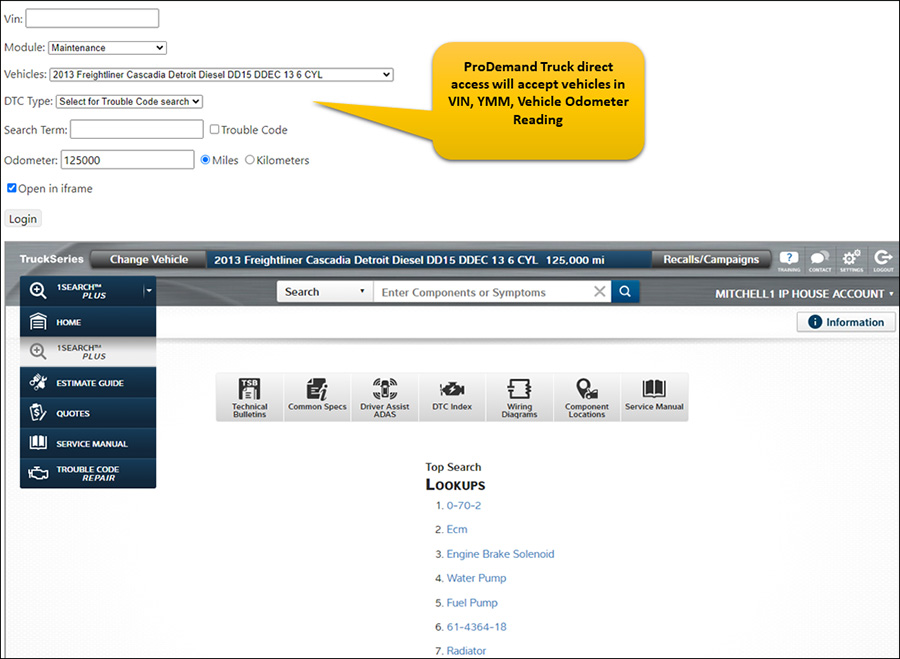
ProDemand Medium and Heavy-Duty Truck Class 4-8 has the following mechanisms for application-level integration with our repair content: (Labor)
Your users can launch the ProDemand Medium & Heavy-Duty Truck UI sub-sections, assuming they already have an active subscription.
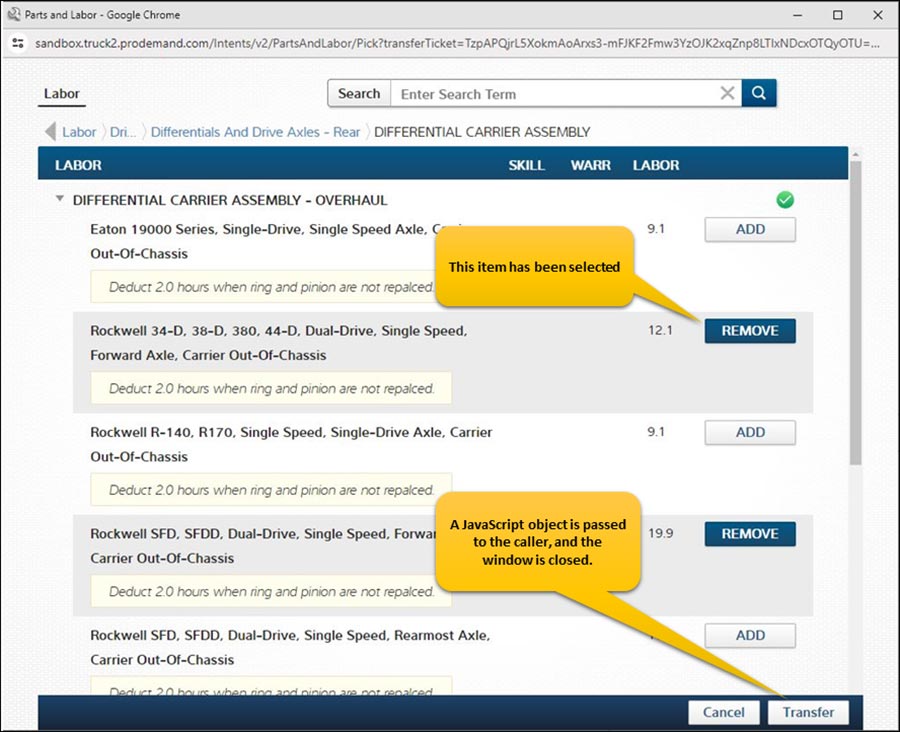
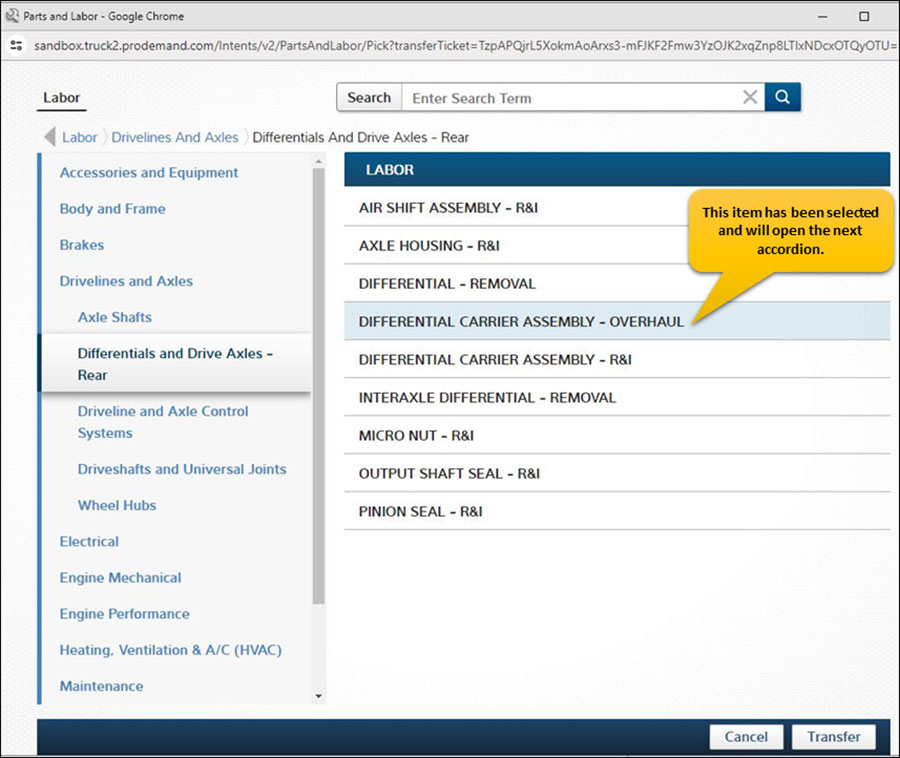
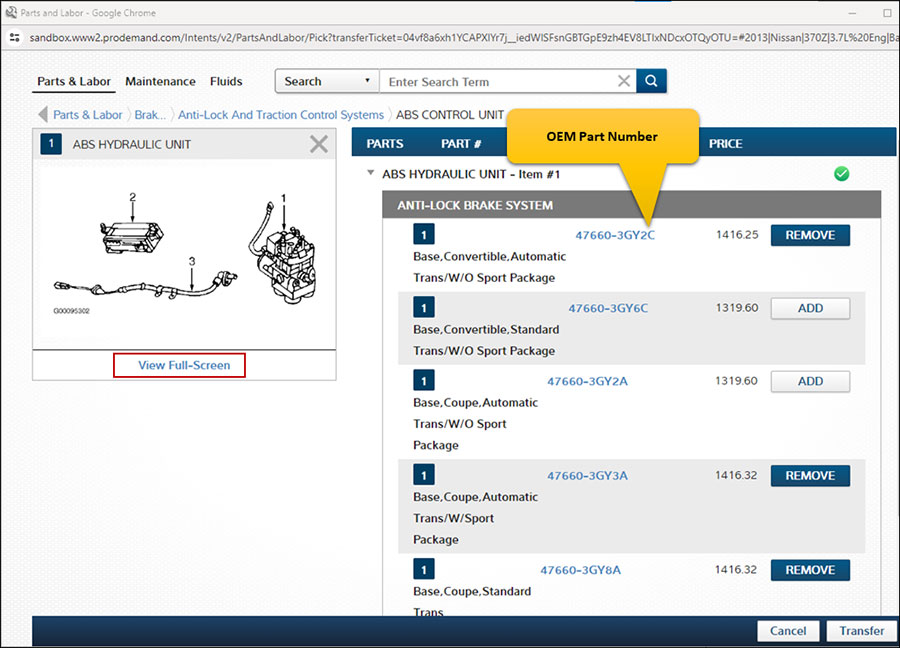
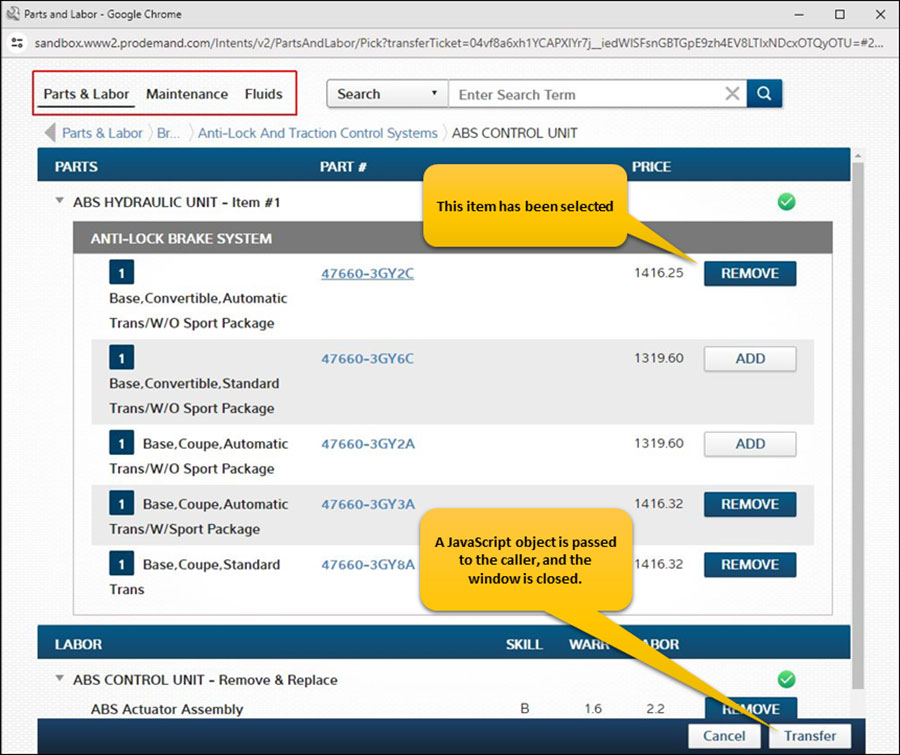
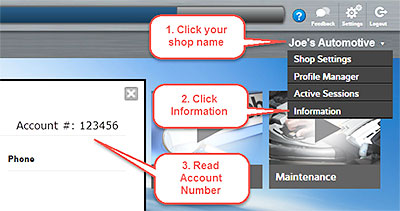
Direct Access—Pass-Through (transfer ticket) streamlines access straight into ProDemand. Depending on the configuration, this workflow uses the user/password credentials or an account number. Your users can launch into ProDemand, assuming they already have an active subscription.
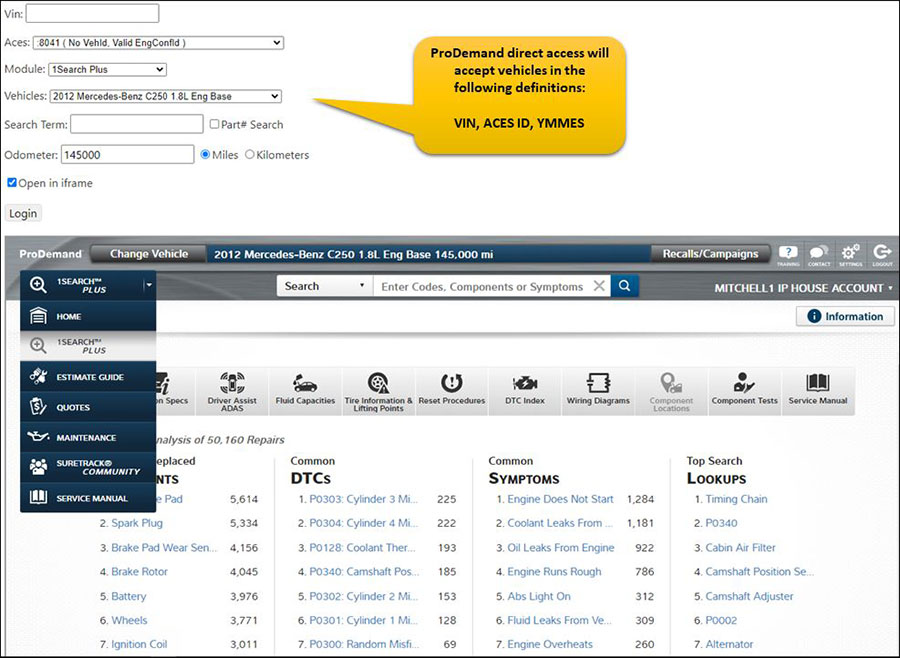
ProDemand Light Duty Automotive has the following mechanisms for application-level integration with our repair content: (Labor, Parts, Fluids, and Maintenance) Your users can launch the ProDemand Light Duty UI sub-sections, assuming they already have an active subscription.