
To switch back to the original OS, reboot normally and select in the DSU notification panel. 2. Physical Flashing via Fastboot and ADB
This technical guide covers the essential methods, prerequisites, and step-by-step procedures to install Android 12 safely. ⚙️ Core Installation Prerequisites
For physical smartphones, the bootloader must be explicitly unlocked via OEM settings and fastboot commands.
Comprehensive Guide to Android Installer V12 UPD Deploying or testing Android 12 across physical hardware, emulators, or dual-boot setups requires a precise installation framework. The refers to the updated tooling, system images, and manual flashing pipelines designed to deploy Android 12 (API Level 31) successfully.
Select the official containing built-in Google Apps.
While Android 12 introduces powerful interface modifications and privacy updates, users must carefully review security metrics before proceeding with long-term installations: Xtr126/Android-x86-installer - GitHub
Ensure ADB and Fastboot Platform Tools are installed system-wide on the host computer. 🛠️ Installation Methods
Use Windows Disk Management to shrink a volume and allocate a new partition (minimum 16GB) labeled . Format the allocated partition to FAT32 or NTFS .
Depending on whether the deployment target is a physical phone, a PC partition, or a local testing emulator, developers and system technicians can utilize three distinct pathways. 1. The DSU (Dynamic System Update) Method
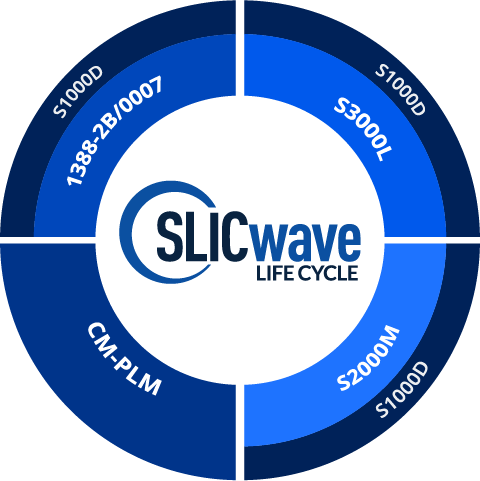
SLICwave Life Cycle possesses a wide range of data management solutions, called Base Tools, that can be acquired individually or in combination. These distinct, but sometimes overlapping, capabilities are designed to be as user-friendly as possible and allow users to deliver the specific functionality their projects require. Click on a Base Tool in the image above to jump to its description below!


To switch back to the original OS, reboot normally and select in the DSU notification panel. 2. Physical Flashing via Fastboot and ADB
This technical guide covers the essential methods, prerequisites, and step-by-step procedures to install Android 12 safely. ⚙️ Core Installation Prerequisites
For physical smartphones, the bootloader must be explicitly unlocked via OEM settings and fastboot commands. Android Installer V12 UPD
Comprehensive Guide to Android Installer V12 UPD Deploying or testing Android 12 across physical hardware, emulators, or dual-boot setups requires a precise installation framework. The refers to the updated tooling, system images, and manual flashing pipelines designed to deploy Android 12 (API Level 31) successfully.
Select the official containing built-in Google Apps. To switch back to the original OS, reboot
While Android 12 introduces powerful interface modifications and privacy updates, users must carefully review security metrics before proceeding with long-term installations: Xtr126/Android-x86-installer - GitHub
Ensure ADB and Fastboot Platform Tools are installed system-wide on the host computer. 🛠️ Installation Methods Select the official containing built-in Google Apps
Use Windows Disk Management to shrink a volume and allocate a new partition (minimum 16GB) labeled . Format the allocated partition to FAT32 or NTFS .
Depending on whether the deployment target is a physical phone, a PC partition, or a local testing emulator, developers and system technicians can utilize three distinct pathways. 1. The DSU (Dynamic System Update) Method