// Thermal PCB Inspection
Arkosic Font Site
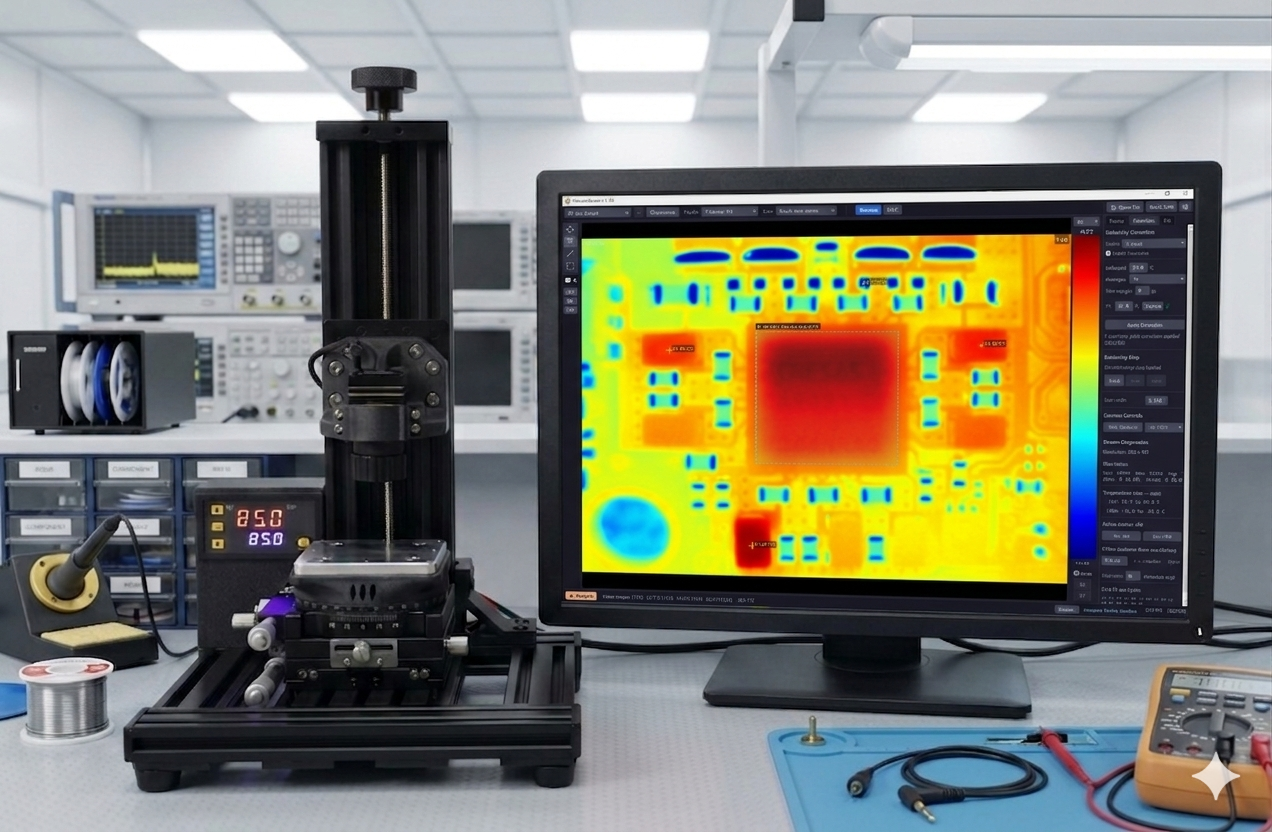
HotSpotter turns your USB thermal camera into a professional PCB inspection tool. Calibrated temperature readings, real-time thermal imaging, and multi-camera support — all in a clean Windows desktop app.
// Thermal PCB Inspection
HotSpotter turns your USB thermal camera into a professional PCB inspection tool. Calibrated temperature readings, real-time thermal imaging, and multi-camera support — all in a clean Windows desktop app.
While most arkosic styles lean toward "slab serifs" to mimic the blocky nature of stone, sans-serif versions exist that focus on the sheer face of a cliffside. The slab serif versions provide a more traditional, academic feel, reminiscent of old geology journals or museum exhibits. Spacing and Kerning
When documenting natural history or earth sciences, an arkosic font bridges the gap between the subject matter and the presentation. It provides a thematic consistency that enhances the visitor's immersion. The Psychology of Stone-Inspired Type arkosic font
To understand an arkosic font, one must first understand its namesake. Arkose is a sandstone containing at least 25% feldspar. It is typically coarse-grained, angular, and reflects the rapid erosion of granitic rocks. In design, these physical traits translate into sharp angles, substantial "weight," and a texture that feels both ancient and architectural. Characteristics of Arkosic Typography While most arkosic styles lean toward "slab serifs"
Wide stances and heavy baselines for a grounded feel. Technical Design Elements It provides a thematic consistency that enhances the
Because of its heavy "visual mass," an arkosic font is rarely used for body text. Instead, it thrives in environments where it can command attention. Architectural Branding
The design of an arkosic font usually prioritizes geometric precision mixed with organic imperfections. It captures the "rapid deposition" of the stone through bold, decisive strokes.
// See It In Action
Pi 5 PMIC and surrounding components heating up — 4× speed
// Real-World Results
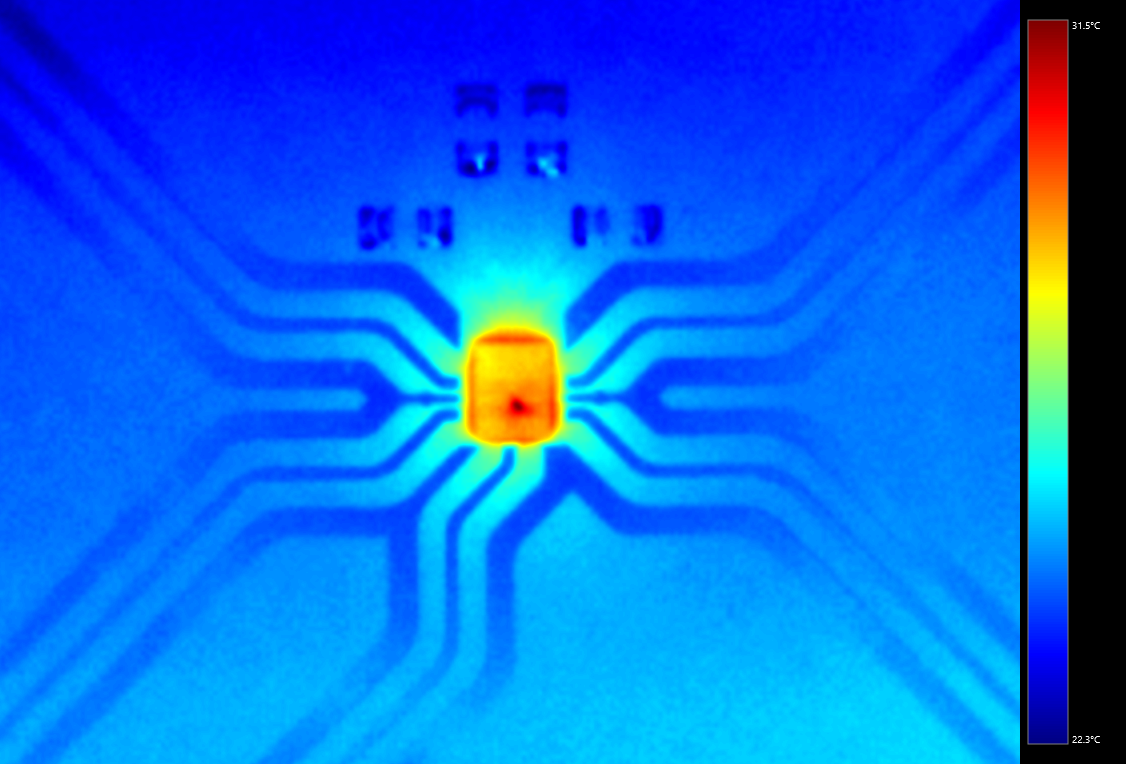
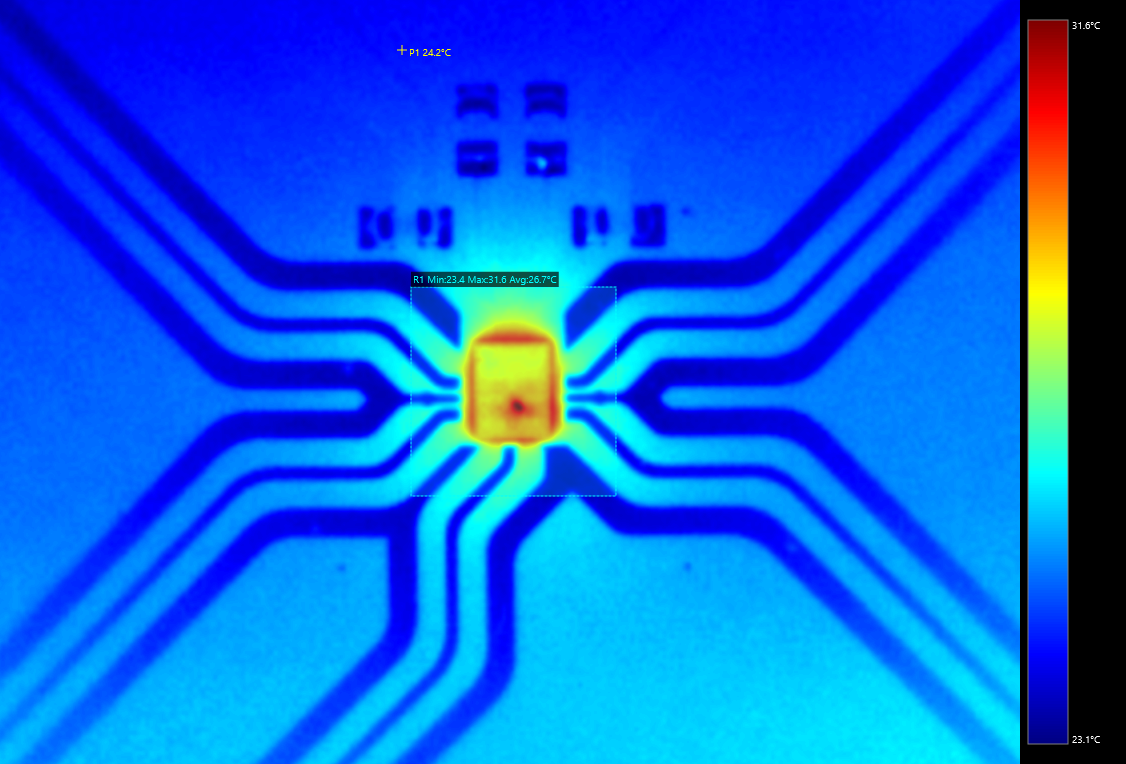
An SP4T RF switch in a flip-chip QFN package, with DC current applied through one path to generate localised heating. HotSpotter resolves individual bond pad traces and pinpoints the die hot spot through the package — the kind of measurement electronics labs run every day.
Click an image to enlarge
While most arkosic styles lean toward "slab serifs" to mimic the blocky nature of stone, sans-serif versions exist that focus on the sheer face of a cliffside. The slab serif versions provide a more traditional, academic feel, reminiscent of old geology journals or museum exhibits. Spacing and Kerning
When documenting natural history or earth sciences, an arkosic font bridges the gap between the subject matter and the presentation. It provides a thematic consistency that enhances the visitor's immersion. The Psychology of Stone-Inspired Type
To understand an arkosic font, one must first understand its namesake. Arkose is a sandstone containing at least 25% feldspar. It is typically coarse-grained, angular, and reflects the rapid erosion of granitic rocks. In design, these physical traits translate into sharp angles, substantial "weight," and a texture that feels both ancient and architectural. Characteristics of Arkosic Typography
Wide stances and heavy baselines for a grounded feel. Technical Design Elements
Because of its heavy "visual mass," an arkosic font is rarely used for body text. Instead, it thrives in environments where it can command attention. Architectural Branding
The design of an arkosic font usually prioritizes geometric precision mixed with organic imperfections. It captures the "rapid deposition" of the stone through bold, decisive strokes.
// Supported Cameras
HotSpotter supports popular hobbyist thermal cameras out of the box. Don't see yours listed? Contact us — new camera support is actively being added.
Compact 256×192 USB thermal camera. Plug-and-play UVC class device — no custom drivers required on Windows 10/11. Units are manufactured by Link-Card and may carry InfiRay sensors.
UVC · USBHigh-resolution USB thermal camera with vendor protocol. 640×512 native resolution. Requires USB 3.0 for full frame rate.
Vendor Protocol · USB 3.0Compact 384×288 USB thermal camera with InfiRay sensor. UVC class device — works out of the box on Windows 10/11.
UVC · USBAdditional camera models are under development. Contact us with your camera model to request support.
Request via email// Pricing
Machine-locked license key. No account needed. Hardware sold separately — contact us to enquire.
HotSpotter Annual
Per year · Machine-locked · One seat
HotSpotter Lifetime
One-time · Machine-locked · One seat
Join the mailing list for hardware kit availability
// Getting Started
Manual license activation keeps things simple and secure. No account needed.
Complete checkout and download the HotSpotter installer from the link in your confirmation email.
Install and launch HotSpotter. Open the License dialog from the Help menu and copy your unique Machine ID.
Email your Machine ID to [email protected]. Receive your license key within 24 hours. Enter it once and you're done.
// System Requirements
HotSpotter is a lightweight Windows desktop application with minimal dependencies.
Operating System
Windows 10 or 11
USB
USB 3.0 port
Camera
Supported thermal camera