The romantic arc was usually a "star-crossed lovers" trope where the couple was at odds with conservative family values.
Unlike the 90s versions which focused on action and rebellion, modern storylines dive deep into the why . They explore the emotional void that led the characters to the lifestyle, making the romantic payoff much more impactful.
Today, the "bohsia" aesthetic has been somewhat romanticized and "glammed up" for television and streaming platforms. We see this in the "Awek Kilang" or "Budak Motor" genres, where the grit of the street meets the polish of a K-drama.
The fascination with "bohsia melayu lepas" relationships persists because it touches on universal themes: It allows for a "forbidden love" dynamic that feels uniquely Malaysian, blending local street culture with the universal desire for a stable, loving relationship.
Early narratives were cautionary tales, where the relationship often led to heartbreak or social fallout. "Lepas" Relationships: The Theme of Moving On
The story focuses on how the character has matured, turning a once-rebellious spirit into resilience.
For creators, these storylines provide a rich tapestry of conflict—social stigma, personal growth, and the high-stakes drama of the "rempit" world—all wrapped in a romantic package that keeps viewers hooked.
The protagonist meets a new, perhaps more conventional partner, but fears their past life will ruin the new romance.
Modern digital stories and "Indie" Malay literature have reframed the "bohsia" not just as a stereotype, but as a person with a past. The "lepas relationship" storyline usually follows a protagonist who has left the "bohsia" lifestyle behind and is trying to navigate a "halal" or "normal" romantic life.
The romantic arc was usually a "star-crossed lovers" trope where the couple was at odds with conservative family values.
Unlike the 90s versions which focused on action and rebellion, modern storylines dive deep into the why . They explore the emotional void that led the characters to the lifestyle, making the romantic payoff much more impactful.
Today, the "bohsia" aesthetic has been somewhat romanticized and "glammed up" for television and streaming platforms. We see this in the "Awek Kilang" or "Budak Motor" genres, where the grit of the street meets the polish of a K-drama.
The fascination with "bohsia melayu lepas" relationships persists because it touches on universal themes: It allows for a "forbidden love" dynamic that feels uniquely Malaysian, blending local street culture with the universal desire for a stable, loving relationship.
Early narratives were cautionary tales, where the relationship often led to heartbreak or social fallout. "Lepas" Relationships: The Theme of Moving On
The story focuses on how the character has matured, turning a once-rebellious spirit into resilience.
For creators, these storylines provide a rich tapestry of conflict—social stigma, personal growth, and the high-stakes drama of the "rempit" world—all wrapped in a romantic package that keeps viewers hooked.
The protagonist meets a new, perhaps more conventional partner, but fears their past life will ruin the new romance.
Modern digital stories and "Indie" Malay literature have reframed the "bohsia" not just as a stereotype, but as a person with a past. The "lepas relationship" storyline usually follows a protagonist who has left the "bohsia" lifestyle behind and is trying to navigate a "halal" or "normal" romantic life.

Three Phase Wi-Fi Energy Meter (WEM3080T)

Single Phase Wi-Fi Energy Meter (WEM3080) The romantic arc was usually a "star-crossed lovers"
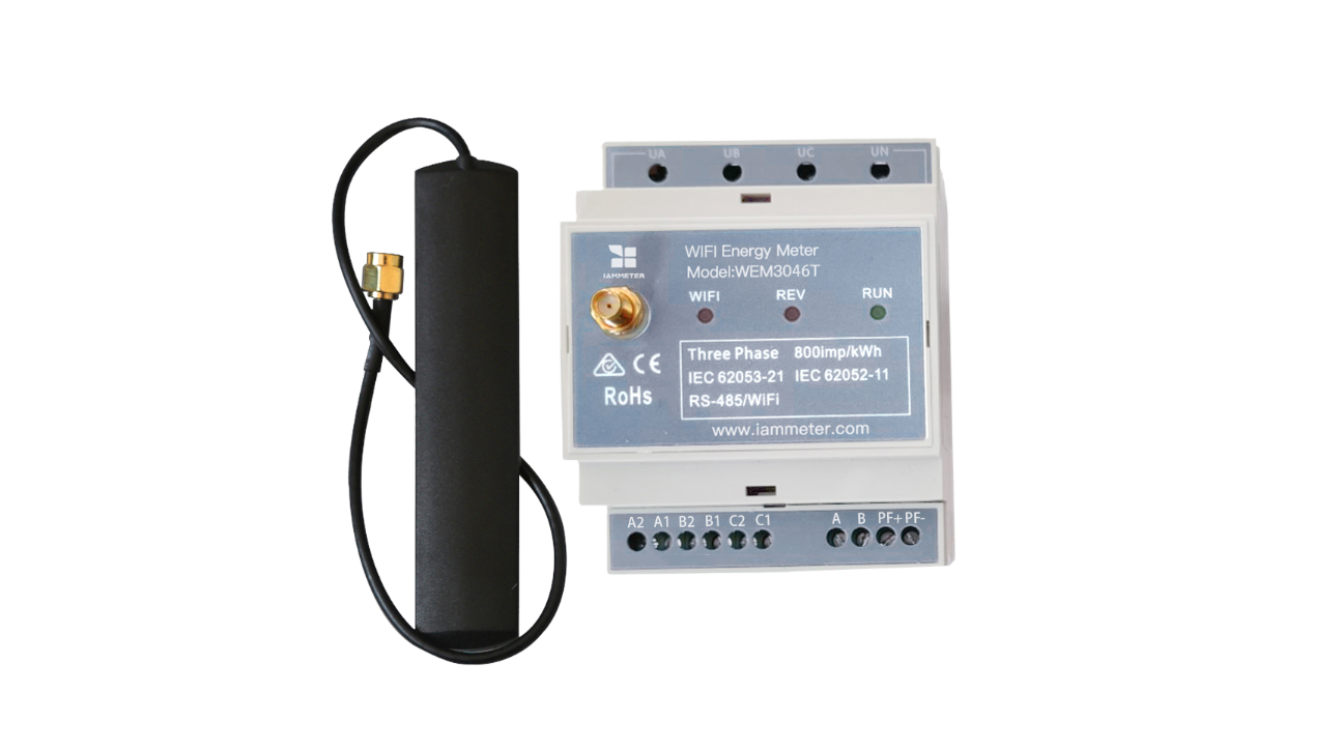
Three Phase Wi-Fi Energy Meter (WEM3046T) Today, the "bohsia" aesthetic has been somewhat romanticized
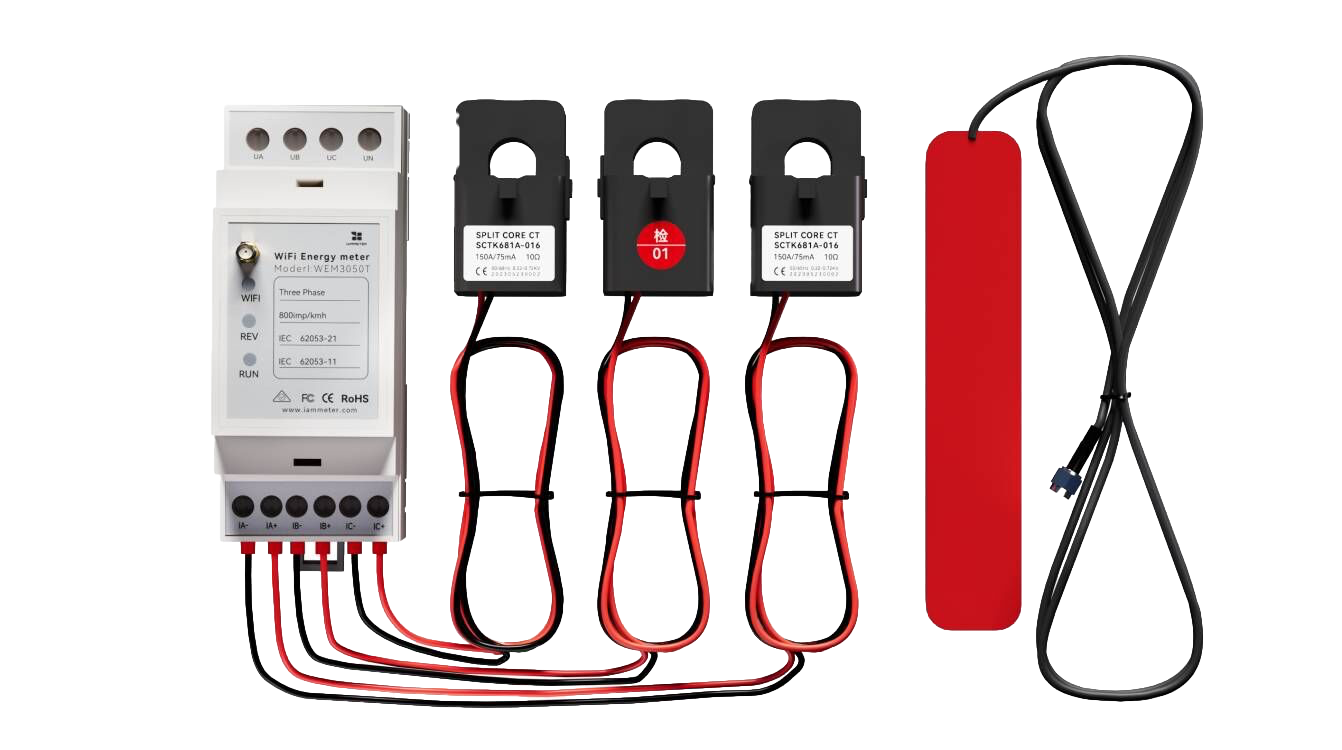
Three Phase Wi-Fi Energy Meter (WEM3050T) The protagonist meets a new