TubeAssistPro is an all-in-one automation tool designed to help
creators, influencers, and businesses grow faster and monetize
smarter on YouTube. Whether you're struggling with video creation,
engagement, or audience growth, TubeAssistPro does the hard work for
you!
It is important to note that searching for or using a Deezer master decryption key to bypass DRM (Digital Rights Management) falls into a legal gray area. Most terms of service explicitly forbid the use of third-party tools to download content for offline use outside of the official app.
Downloading music without authorization violates copyright laws in many jurisdictions.
As of the current landscape, many of the older master keys found in public repositories have been patched or superseded by new authentication requirements. Modern tools now focus more on "stream capturing" or utilizing official APIs with valid user credentials rather than relying solely on a single static decryption key.
In this system, tracks are not encrypted with a single universal key. Instead, the decryption process usually involves generating a key based on specific metadata. This metadata often includes the track’s unique ID and the specific format of the audio file, such as MP3 or FLAC. The Role of the Blowfish Key
Furthermore, Deezer uses different tiers of encryption for different audio qualities. Standard 128kbps streams might use a different security layer compared to the High-Fidelity (HiFi) FLAC streams available to premium subscribers. Accessing the latter often requires valid session tokens (ARL cookies) in addition to a decryption key. Legal and Ethical Implications
The "master key" often referenced in developer circles is a static string used within the Blowfish algorithm to initialize the decryption process. In the past, developers discovered that by applying this specific key to a track ID, they could derive the unique decryption key for any given song.
Deezer secures its music files primarily to prevent unauthorized distribution and to manage digital rights. When you stream a song, the data is transmitted in an encrypted format. Historically, Deezer has utilized the Blowfish encryption algorithm to protect its streams.
Many websites claiming to offer "master keys" or "decryption software" are fronts for distributing malicious software. The Current State of Deezer Security
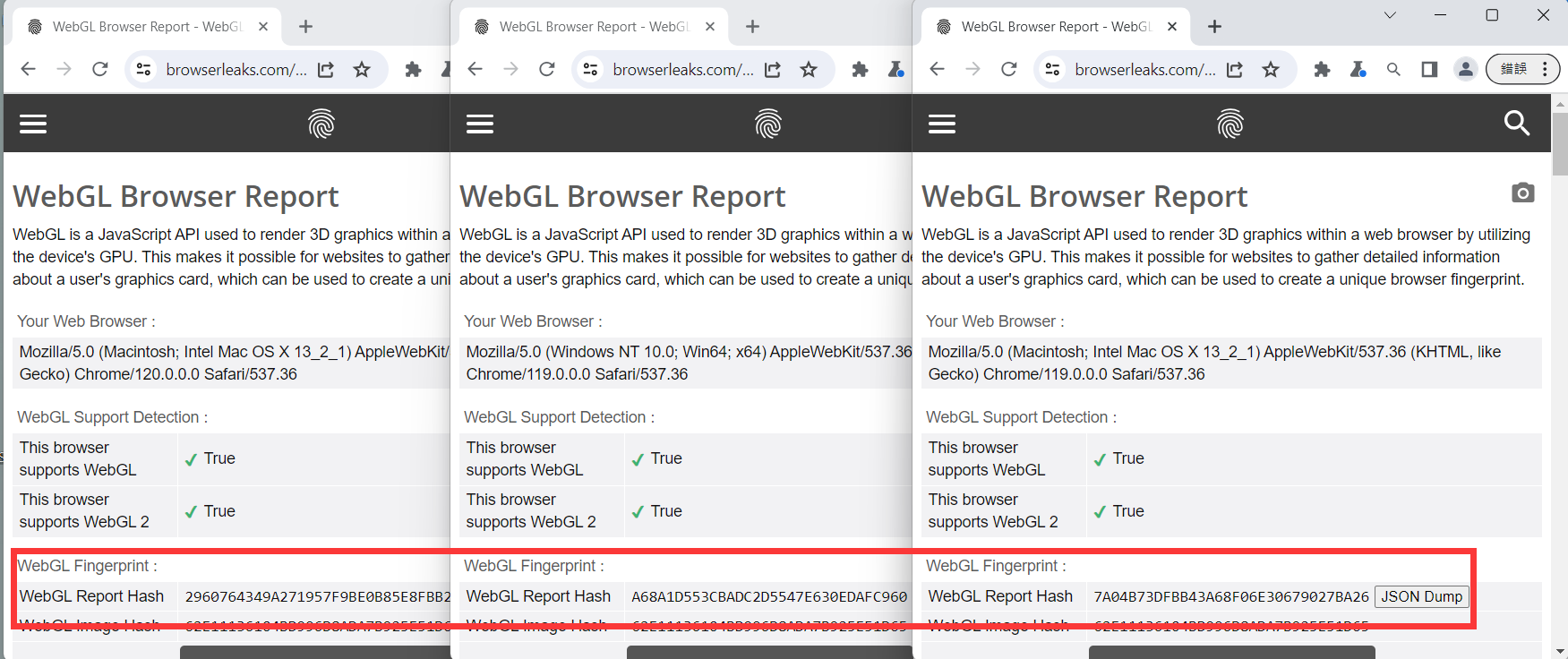
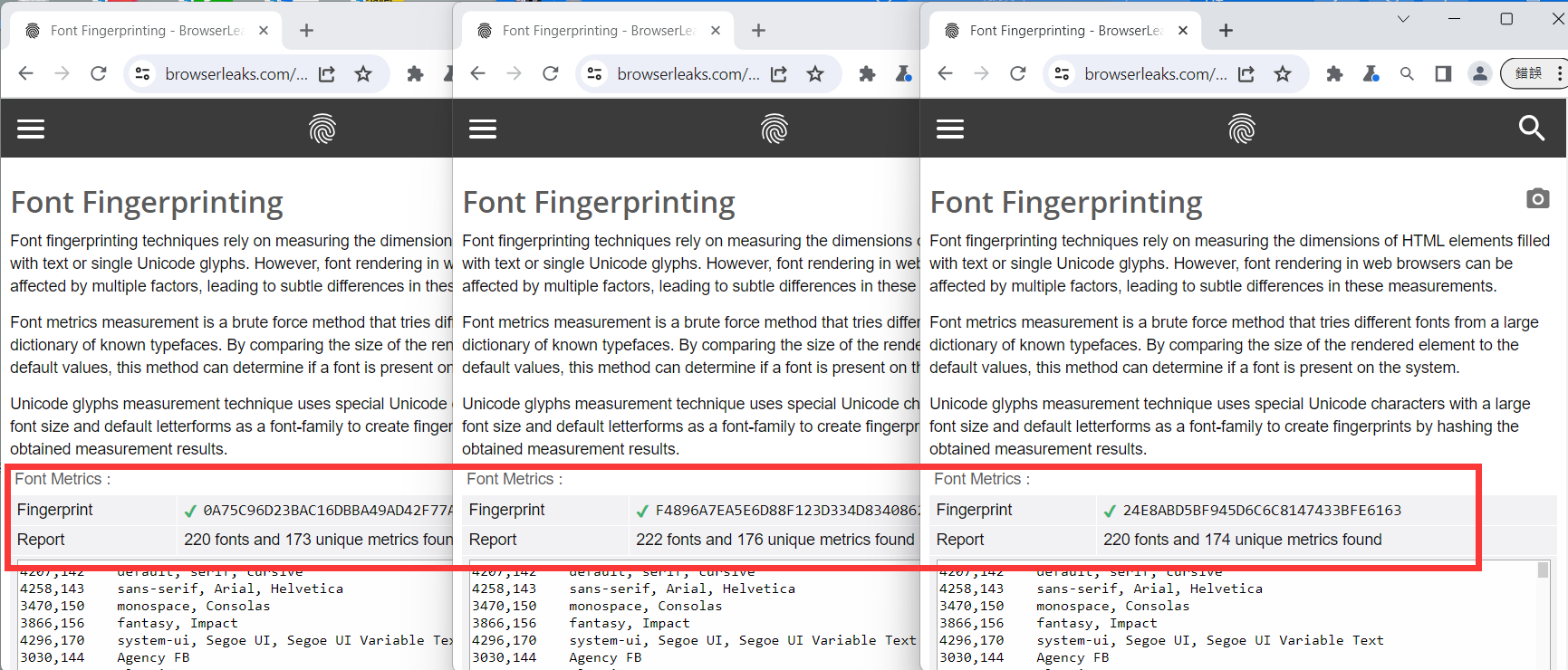
How does TubeAssistPro prevent detection?
TubeAssistPro is a YouTube automation software that allows you to
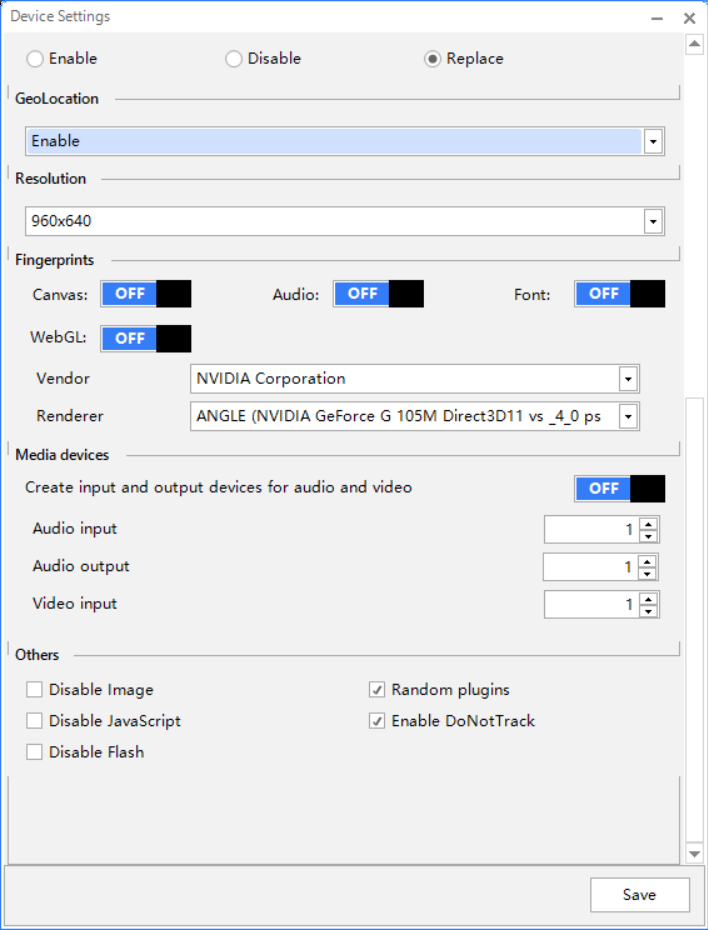
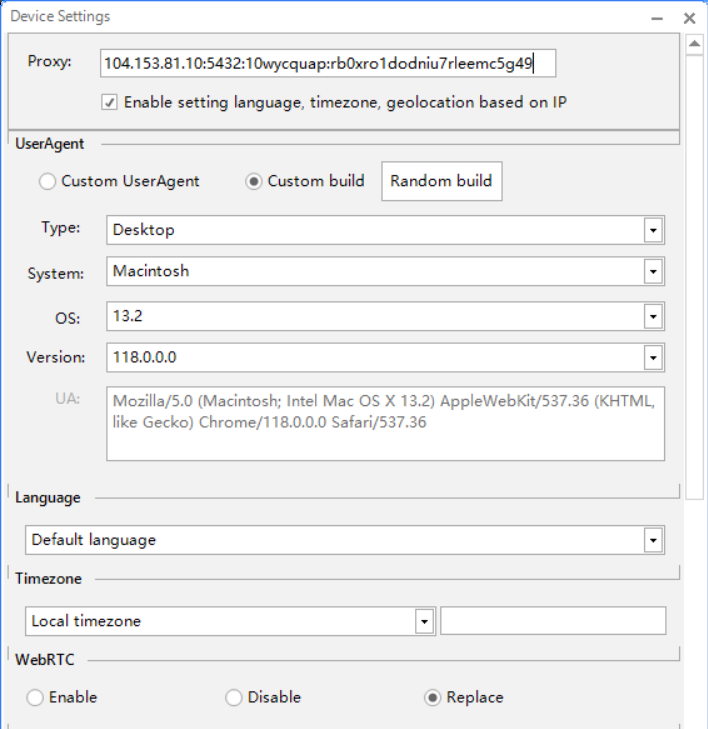
hide and control your digital fingerprint by spoofing all parameters
that websites can see. By masking these settings, you can bypass
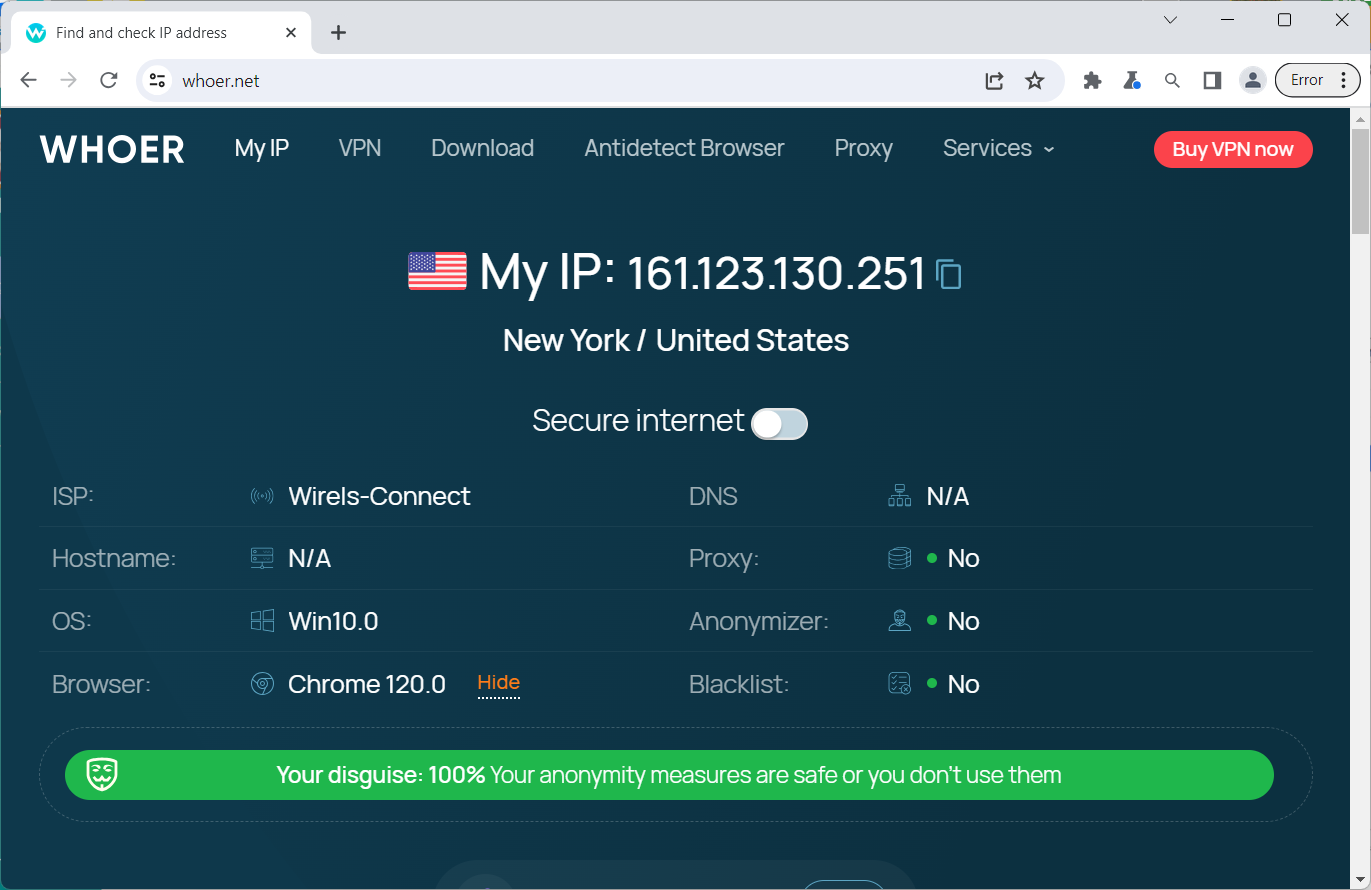
anti-fraud systems by impersonating your real internet identity. It
helps you create a large number of profiles, each with its own
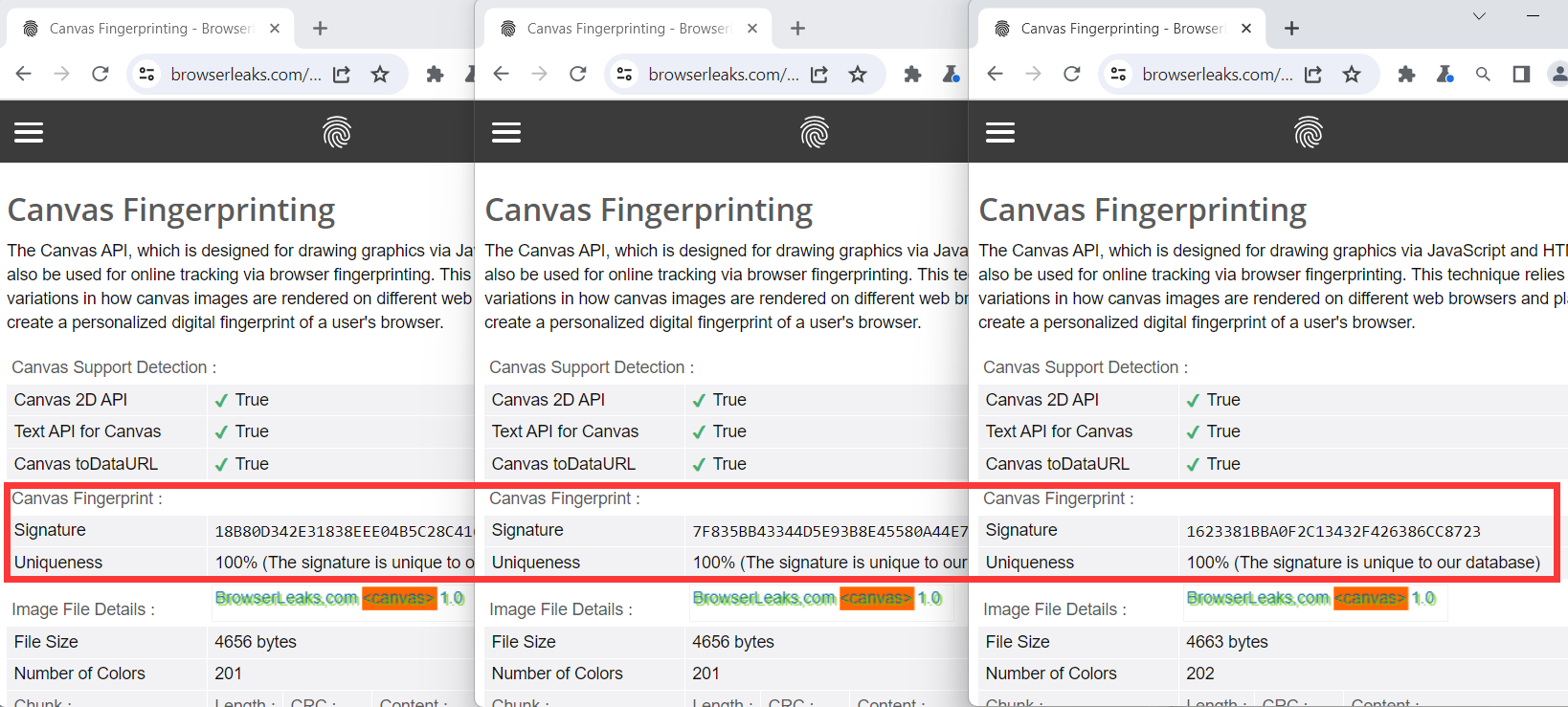
digital fingerprint. These profiles do not overlap with each other,
so the YouTube cannot ban your account. This is useful for
performing various tasks on the Internet.
Deezer Master Decryption Key <90% Best>
Select different version according to your needs
Functions
YouTube Growth Version
AI Video Generator
TubeAssistPro Ultimate Version
Proxy and Account Security
Bind Proxy and Avoid Account Suspended
This function lets you bind accounts with appointed proxies, so
that later the program will use
the same proxy with this account all the time. This
will make your account much safer. These
sites don't want to see that you are in USA now and then you are in England after 1 min. You can
set every account to use a different proxy, you also
can set every 2 or X accounts to use the
same proxy. The program can also use the conventional
proxy rotate method of using a different
proxy every time the account logs in. It's very smart,
it's all is down to your settings. And
our software's operation is same to human's operation, this will avoid your accounts got
suspended. We have many excellent proxy partners who
will give you discount price and great
proxies that work well with our software.
TubeAssistPro has been tested on Windows XP, Vista, Windows 7, Windows
8, Windows 10 and MacBook with Windows VM; it's advisable to have a
screen resolution larger than 1024x768px for optimal interface display
due to the large amount of functionality.
Deezer Master Decryption Key <90% Best>
It is important to note that searching for or using a Deezer master decryption key to bypass DRM (Digital Rights Management) falls into a legal gray area. Most terms of service explicitly forbid the use of third-party tools to download content for offline use outside of the official app.
Downloading music without authorization violates copyright laws in many jurisdictions.
As of the current landscape, many of the older master keys found in public repositories have been patched or superseded by new authentication requirements. Modern tools now focus more on "stream capturing" or utilizing official APIs with valid user credentials rather than relying solely on a single static decryption key.
In this system, tracks are not encrypted with a single universal key. Instead, the decryption process usually involves generating a key based on specific metadata. This metadata often includes the track’s unique ID and the specific format of the audio file, such as MP3 or FLAC. The Role of the Blowfish Key
Furthermore, Deezer uses different tiers of encryption for different audio qualities. Standard 128kbps streams might use a different security layer compared to the High-Fidelity (HiFi) FLAC streams available to premium subscribers. Accessing the latter often requires valid session tokens (ARL cookies) in addition to a decryption key. Legal and Ethical Implications
The "master key" often referenced in developer circles is a static string used within the Blowfish algorithm to initialize the decryption process. In the past, developers discovered that by applying this specific key to a track ID, they could derive the unique decryption key for any given song.
Deezer secures its music files primarily to prevent unauthorized distribution and to manage digital rights. When you stream a song, the data is transmitted in an encrypted format. Historically, Deezer has utilized the Blowfish encryption algorithm to protect its streams.
Many websites claiming to offer "master keys" or "decryption software" are fronts for distributing malicious software. The Current State of Deezer Security