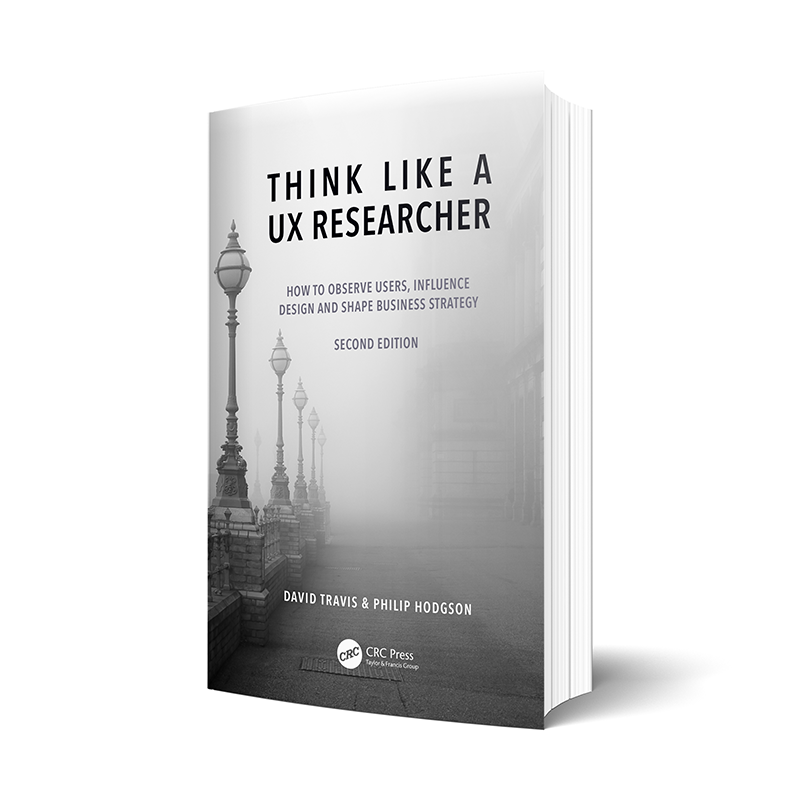
Think Like a UX Researcher: How to observe users, influence design, and shape business strategy
In this newly revised Second Edition, you'll find six new essays that look at how UX research methods have changed in the last few years, why remote methods should not be the only tools you use, what to do about difficult test participants, how to improve your survey questions, how to identify user goals when you can’t directly observe users and how understanding your own epistemological bias will help you become a more persuasive UX researcher.
Buy Now
Juego Del Calamar- El Desafio 1x10 — El
El episodio final de (Temporada 1, Episodio 10), titulado "Un día de suerte", marcó el cierre del reality show más ambicioso de Netflix hasta la fecha. Tras semanas de intensas pruebas físicas y psicológicas, solo tres finalistas llegaron a la última etapa para competir por el premio histórico de 4.56 millones de dólares . Los tres finalistas y la cena de gala
Mai fue la primera en presionar y obtuvo luz gris. Sam fue el siguiente, pero su botón se iluminó de , lo que resultó en su eliminación automática. Esto dejó a Mai y Phill como los dos grandes duelistas finales. El duelo final: Piedra, papel o tijera
Una exoficial de la Marina y jueza de inmigración que destacó por su astucia estratégica. El juego del calamar- El desafio 1x10
El jugador avanzaba directamente a la final y elegía a su oponente. Luz roja: El jugador era eliminado inmediatamente.
El ganador de la ronda elegía una llave de un recipiente y trataba de abrir una caja fuerte. El episodio final de (Temporada 1, Episodio 10),
El jugador permanecía a salvo, pero debía elegir a alguien más para presionar un botón.
Durante la cena, los jugadores compartieron sus historias personales y motivaciones, pero la calma duró poco. La prueba del botón: La primera eliminación Sam fue el siguiente, pero su botón se
El juego definitivo no fue una prueba física brutal, sino una batalla de psicología y suerte: . Las reglas eran sencillas: Los finalistas jugaban una ronda.
What's new in the 2nd Edition?
Since publication of the first edition, the main change, largely brought about by COVID and lockdowns, was a shift towards using remote UX research methods. So in this edition, we have added six new essays on the topic. Two essays describe the “how” of planning and conducting remote methods, both moderated and unmoderated. We also include new essays on test participants, on survey questions, and we reveal how your choice of UX research methods may reflect your own epistemological biases. We also flag the pitfalls of remote methods and include a cautionary essay on why they should never be the only UX research method you use.
Skim the Table of Contents