




 Previous
 Next
Next
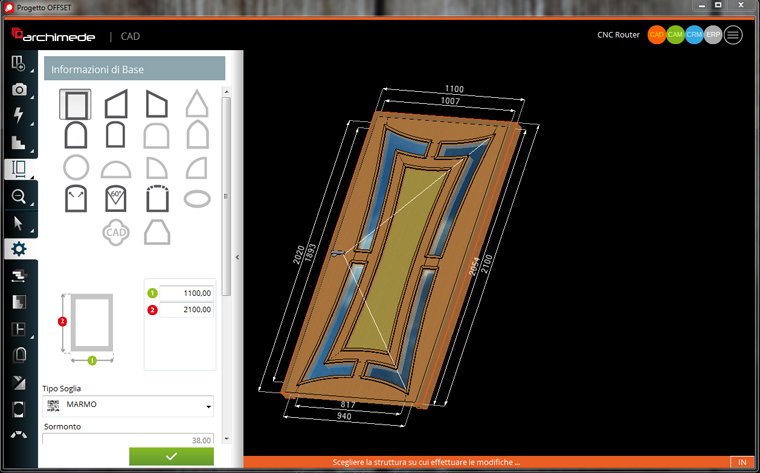
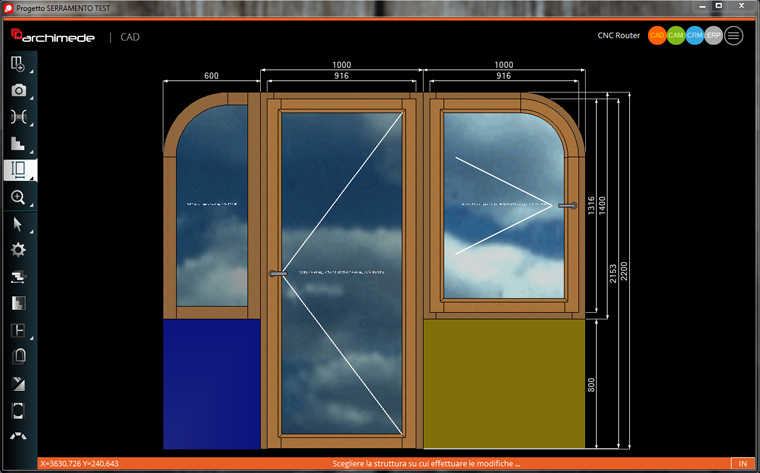
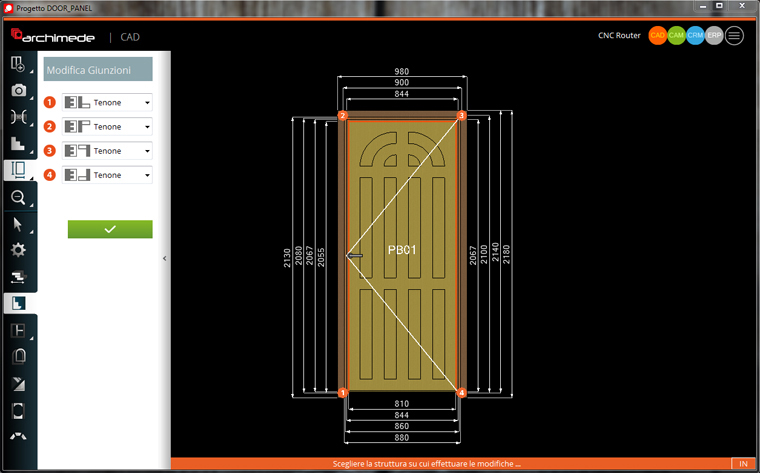
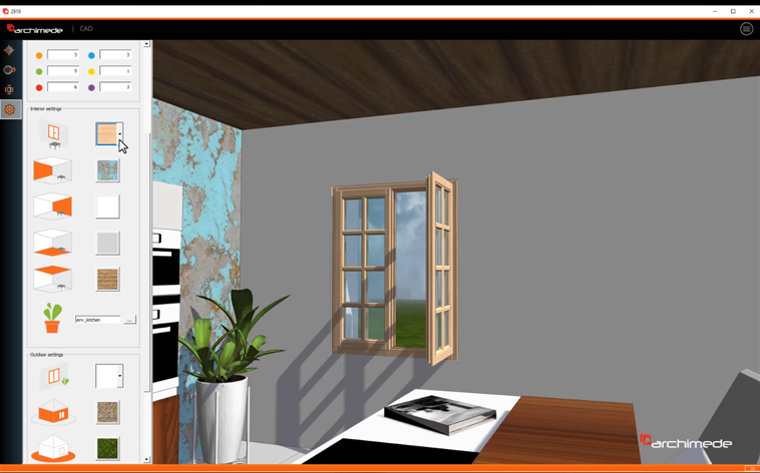
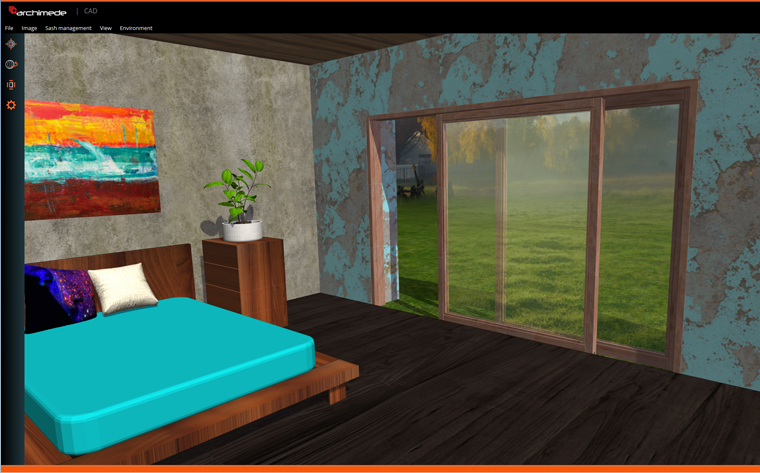
It is the first and only software which has integrated complete and innovative CRM/CAD/CAM/ERP functionality in order to embrace all of your joinery needs and to work alongside you today and in the future. Archimede is the result of over 18 years of experience, continuous investment and field trials. If you are looking for the most advanced software for window and door joinery in the world ... Welcome to the wonderful world of Archimede. New 2020 - plugin to design and produce cabinets [find out more]



It simplifies and speeds up work, reduces costs and improves efficiency of the joinery

For joineries of any size, for all types of machinery and materials

4 modules for managing sales, design, production and resources of your joinery
Japan is the spiritual home of modern video games. Giants like Nintendo, Sony, and Sega defined the childhoods of generations.
At the heart of Japanese culture is the concept of wa (harmony). This reflects in how the entertainment industry balances the "High Culture" of the past with the "Pop Culture" of the present. While Japan is a world leader in robotics and digital gaming, it remains deeply rooted in seasonal rituals, craftsmanship ( monozukuri ), and aesthetic philosophies like wabi-sabi (finding beauty in imperfection). Anime and Manga: The Global Vanguard
Japanese games often prioritize "feel" and "polished mechanics" over the raw realism favored by Western studios.
Recently, global internet culture has rediscovered 1980s "City Pop" (like Mariya Takeuchi’s Plastic Love ), proving that the Japanese aesthetic has a timeless, nostalgic appeal that transcends borders. Gaming: From Arcades to eSports
Unlike Western cartoons often aimed at children, anime explores complex themes—existentialism in Neon Genesis Evangelion , environmentalism in Studio Ghibli’s films, and social hierarchy in shonen hits like Demon Slayer .
The Japanese entertainment industry succeeds because it offers an alternative to the Hollywood model. It provides a world where the supernatural is mundane, where technology is soulful, and where every piece of media—from a 15-second commercial to a 100-volume manga—is crafted with an obsessive attention to detail.
The industry thrives on a "support" model where fans buy physical CDs to receive "handshake tickets," creating a symbiotic—and sometimes controversial—relationship between the performer and the audience.
Manga acts as the "R&D" for the industry. A successful manga is adapted into an anime, which then fuels a massive market for merchandise, music, and "2.5D" stage plays. The Idol Phenomenon and J-Pop
Japan is the spiritual home of modern video games. Giants like Nintendo, Sony, and Sega defined the childhoods of generations.
At the heart of Japanese culture is the concept of wa (harmony). This reflects in how the entertainment industry balances the "High Culture" of the past with the "Pop Culture" of the present. While Japan is a world leader in robotics and digital gaming, it remains deeply rooted in seasonal rituals, craftsmanship ( monozukuri ), and aesthetic philosophies like wabi-sabi (finding beauty in imperfection). Anime and Manga: The Global Vanguard
Japanese games often prioritize "feel" and "polished mechanics" over the raw realism favored by Western studios.
Recently, global internet culture has rediscovered 1980s "City Pop" (like Mariya Takeuchi’s Plastic Love ), proving that the Japanese aesthetic has a timeless, nostalgic appeal that transcends borders. Gaming: From Arcades to eSports
Unlike Western cartoons often aimed at children, anime explores complex themes—existentialism in Neon Genesis Evangelion , environmentalism in Studio Ghibli’s films, and social hierarchy in shonen hits like Demon Slayer .
The Japanese entertainment industry succeeds because it offers an alternative to the Hollywood model. It provides a world where the supernatural is mundane, where technology is soulful, and where every piece of media—from a 15-second commercial to a 100-volume manga—is crafted with an obsessive attention to detail.
The industry thrives on a "support" model where fans buy physical CDs to receive "handshake tickets," creating a symbiotic—and sometimes controversial—relationship between the performer and the audience.
Manga acts as the "R&D" for the industry. A successful manga is adapted into an anime, which then fuels a massive market for merchandise, music, and "2.5D" stage plays. The Idol Phenomenon and J-Pop