
RetroArch is a modular program that runs emulators and games within its framework as if they were 'plugins'.
These plugins are called 'cores', and you need to install them inside RetroArch to be able to use them.
These cores can also be used in other programs that implement the Libretro Application Programming Interface (API).
Both Libretro and RetroArch were made by the same developers, and RetroArch serves to demonstrate Libretro's power and scope.
The transgender community is currently leading the most significant cultural conversation of the 21st century: the decoupling of biology from destiny. As Gen Z and Gen Alpha embrace gender fluidity at record rates, the "transgender experience" is becoming less of a niche subculture and more of a blueprint for how everyone—queer or straight—can live more authentically.
The modern LGBTQ+ rights movement didn’t start in boardrooms; it started in the streets, led largely by transgender women of color. Figures like and Sylvia Rivera were at the forefront of the 1969 Stonewall Uprising. At the time, the distinction between "gay" and "transgender" was less rigid in the public eye—everyone who defied traditional gender and sexual norms was grouped together.
Transgender women of color experience disproportionately high rates of violence.
In recent years, much of the political friction surrounding LGBTQ+ rights has shifted specifically toward trans-inclusive healthcare and sports.
From the Wachowskis in film to SOPHIE in music, trans creators have pushed the boundaries of "queer art," moving away from tragic tropes toward "trans joy" and futurism. Challenges and Divergent Paths
The push for gender-neutral pronouns (they/them/ze) and inclusive language originated within trans and non-binary circles and has since permeated mainstream corporate and social environments.
LGBTQ+ culture is not a monolith; it is a coalition. The transgender community remains its heartbeat, reminding the world that the ultimate goal of the movement is the freedom to define oneself on one’s own terms.
The transgender community and the broader LGBTQ+ culture are bound by a shared history of resistance, a common fight for civil rights, and a vibrant tapestry of shared spaces. While "LGBTQ+" serves as an umbrella term, the "T" represents a distinct journey of gender identity that has both anchored and revolutionized the movement.
RetroArch/Libretro has over 200 cores, and the list keeps expanding over time. These include game engines, games, multimedia programs and emulators.
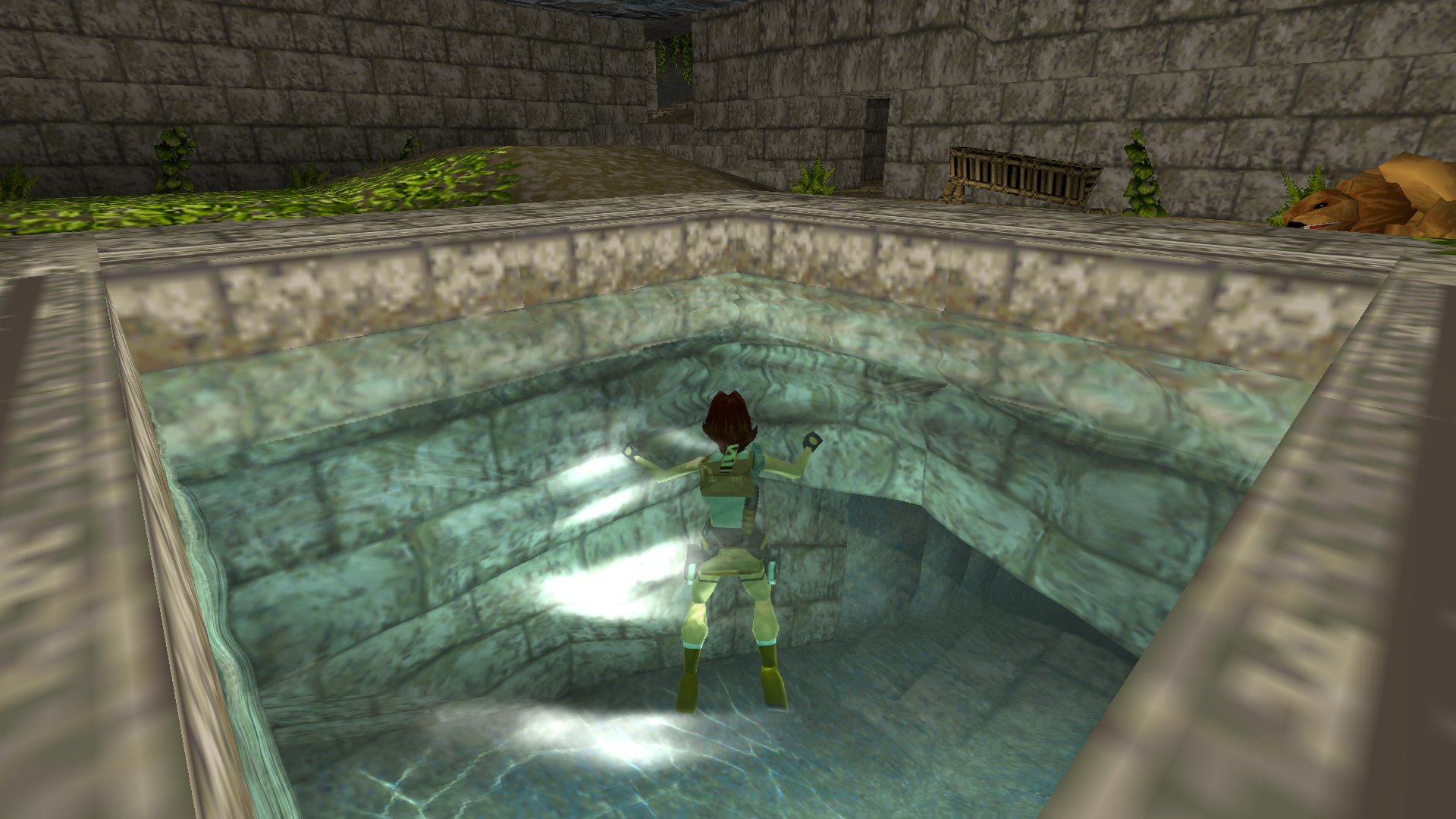
OpenLara is an early Tomb Raider game engine recreation.
Core available now for Windows/Linux.
For more information, read our article on this release here. intense shemale fucking
It uses the original data files in order to work. What is nice about this one is that it has some very fancy graphics effects added on top of the old game engine without it resulting in any stylistic clashes.

LRPS2 is a PlayStation2 emulator. It has a brand-new Vulkan-powered LLE renderer called ParaLLEl GS.
ParaLLEl-GS' goal is to be as accurate as software rendering but using the GPU instead of the CPU. Thanks to this we can also do enhancements which would be too slow to do on software, such as supersampled antialiasing and other enhancements. The transgender community is currently leading the most
For more information, read our article on this release here.
DOSBox Pure is an easy-to-use plug and play version of DOSBox written specifically for Libretro/RetroArch. It supports MS-DOS and Windows 9x games. You can use savestates and even rewind. Automatic game detection with custom gamepad to keyboard mapping for many DOS games. Figures like and Sylvia Rivera were at the
For more information, read our article on this release here.
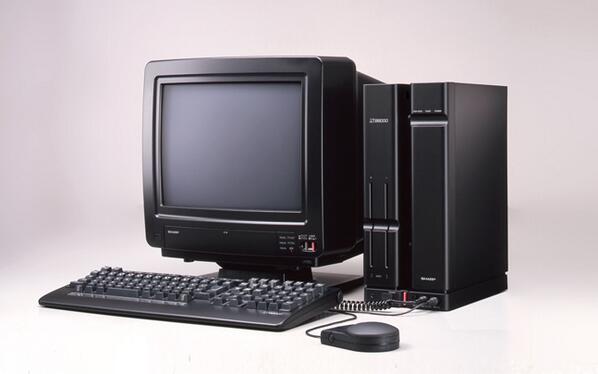
PX-68K is a Sharp X68000 emulator. This is a Japanese home computer from the late '80s/early '90s that was used by Capcom as devkits for their arcade games. It played host to many popular games from the likes of Namco, Konami and Capcom.
Core available now for Windows, macOS, Linux, Android and iOS.
For more information, read our article on this release here.
The transgender community is currently leading the most significant cultural conversation of the 21st century: the decoupling of biology from destiny. As Gen Z and Gen Alpha embrace gender fluidity at record rates, the "transgender experience" is becoming less of a niche subculture and more of a blueprint for how everyone—queer or straight—can live more authentically.
The modern LGBTQ+ rights movement didn’t start in boardrooms; it started in the streets, led largely by transgender women of color. Figures like and Sylvia Rivera were at the forefront of the 1969 Stonewall Uprising. At the time, the distinction between "gay" and "transgender" was less rigid in the public eye—everyone who defied traditional gender and sexual norms was grouped together.
Transgender women of color experience disproportionately high rates of violence.
In recent years, much of the political friction surrounding LGBTQ+ rights has shifted specifically toward trans-inclusive healthcare and sports.
From the Wachowskis in film to SOPHIE in music, trans creators have pushed the boundaries of "queer art," moving away from tragic tropes toward "trans joy" and futurism. Challenges and Divergent Paths
The push for gender-neutral pronouns (they/them/ze) and inclusive language originated within trans and non-binary circles and has since permeated mainstream corporate and social environments.
LGBTQ+ culture is not a monolith; it is a coalition. The transgender community remains its heartbeat, reminding the world that the ultimate goal of the movement is the freedom to define oneself on one’s own terms.
The transgender community and the broader LGBTQ+ culture are bound by a shared history of resistance, a common fight for civil rights, and a vibrant tapestry of shared spaces. While "LGBTQ+" serves as an umbrella term, the "T" represents a distinct journey of gender identity that has both anchored and revolutionized the movement.