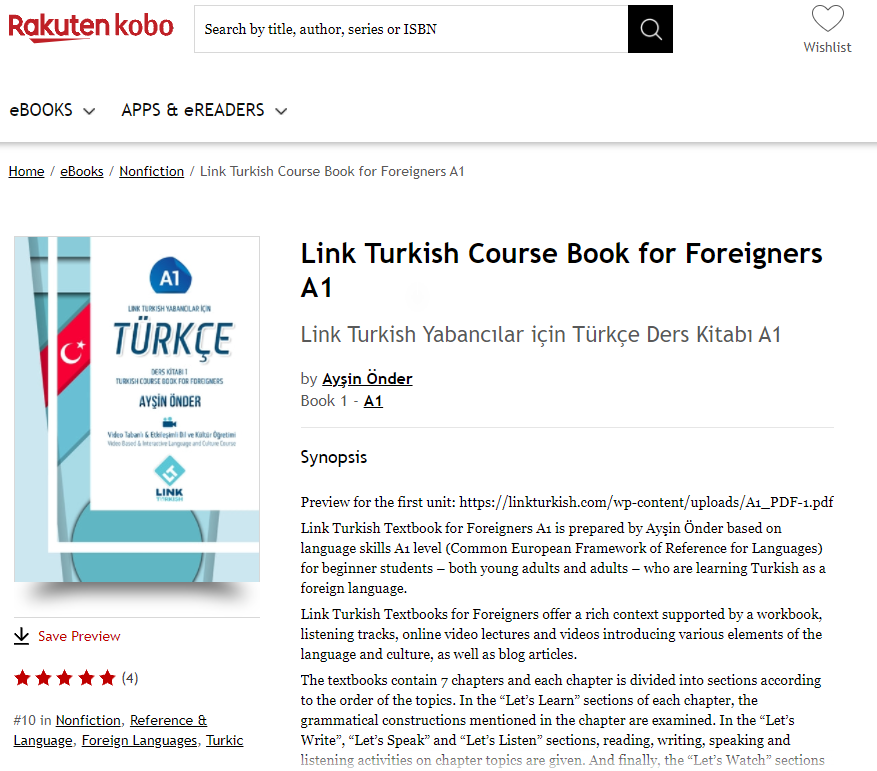

Link Turkish Digital Books
Link Turkish digital books are in EPUB format. In order to use the books, you need to install EPUB reader on your device.
Whether using injection molding, compression molding, or rotational molding, achieving high precision in plastics requires accounting for unique polymer characteristics like shrinkage, moisture absorption, and thermal expansion. 🛠️ The Purpose of ISO 20457
Understanding the ISO 20457 Tolerance Table The standard, which officially replaced the older German standard DIN 16742 , is the global benchmark for specifying dimensional and geometrical tolerances of plastic molded parts .
In the manufacturing of plastic parts, applying standard metal tolerances (like ISO 2768) is not practical. Plastics behave differently during and after cooling. iso 20457 tolerance table pdf
, which leads to unnecessarily expensive molds and high scrap rates.
for part sizes based on manufacturing effort and tooling. Plastics behave differently during and after cooling
📐 Tolerance Class TG6: The Most Common Injection Molding Standard TOLERANCES
when no individual tolerance is specified directly on the drawing. 📐 Tolerance Class TG6: The Most Common Injection
The defines acceptable manufacturing deviations to:
Link Turkish digital books are in EPUB format. In order to use the books, you need to install EPUB reader on your device.
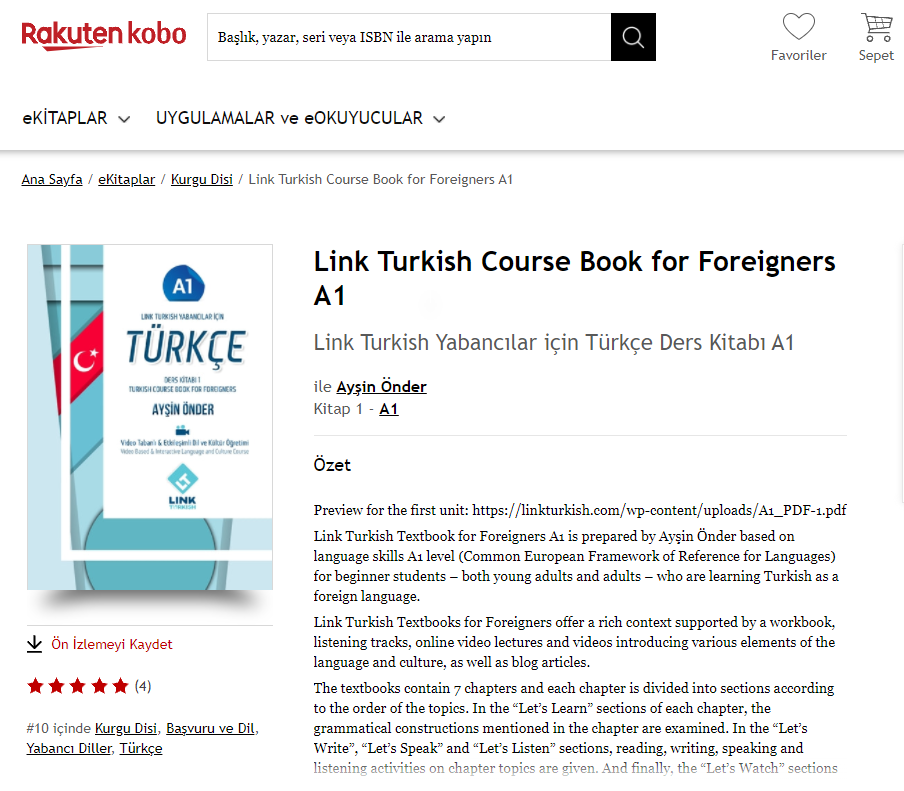
Link Turkish dijital kitapları EPUB formatındadır. Kitapları kullanabilmek için cihazınıza "EPUB reader" yüklemeniz gerekmektedir.