Mommysboy 24 12 11 Lexi Luna Free ((install))use Study Ses Portable May 2026
- 100% anonymous servers
- Unblock & use favorite services
- One tap to absolute privacy
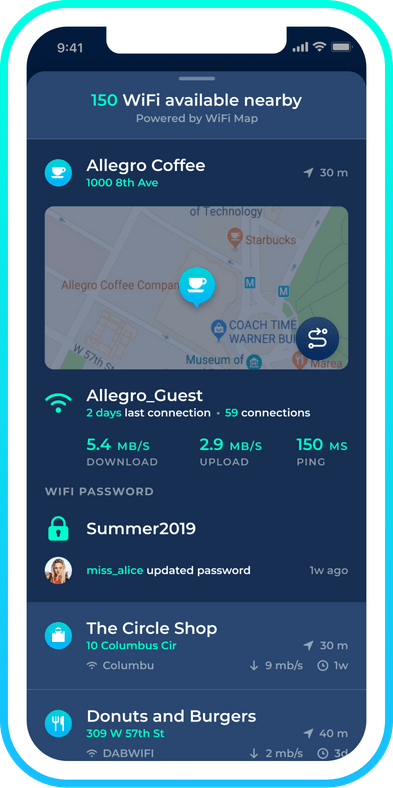
- Free WiFi access worldwide


Browse without any limitations all your favorite services

Shield your personal data from the prying eyes of authorities and hackers

Bypass geo-restrictions, closedowns, and digital censorship


549 servers

390 servers

1830 servers

840 servers
 Appstore
 Google Play
Strings of numbers in a search query, such as "24 12 11," often act as unique identifiers. These could represent release dates, product codes, or specific versions of digital content, allowing users to bypass generic results and find a precise file or entry.
The evolution of search queries toward more complex and specific strings reflects a more sophisticated digital audience. By combining dates, names, and situational themes, users can navigate vast databases with precision. For those managing digital content, staying attuned to these specific search patterns is key to maintaining visibility in a crowded marketplace.
For digital marketers and content managers, these specific keyword strings are essential for "cutting through the noise." Optimization strategies now involve identifying these niche phrases to capture highly motivated traffic. When a user enters a complex string, they usually have a clear idea of what they want to find, making them more likely to engage with the content that appears in the results. Conclusion
Including specific names within a keyword string helps link the query to a particular brand, creator, or public figure. This ensures that the results are filtered to show only content associated with that specific entity. Why Specificity Matters in Search
Terms like "study ses" or "portable" define the context or the format of the desired result. In a digital landscape saturated with information, adding situational descriptors helps refine the search to meet the user's immediate needs, such as finding content suitable for mobile devices or specific educational contexts.
Long-tail keywords are search phrases that are highly specific and usually longer than more common search terms. While they may have lower search volumes individually, they often lead to higher conversion rates because they target a very specific intent.
As the internet grows, the sheer volume of data makes generic searches less effective. Users have transitioned from searching for broad terms to using complex strings to find exact matches. This behavior has changed how creators label their work. By using descriptive and multi-faceted titles, creators can ensure their content is discoverable by the specific audience looking for it. SEO and Content Discovery








Strings of numbers in a search query, such as "24 12 11," often act as unique identifiers. These could represent release dates, product codes, or specific versions of digital content, allowing users to bypass generic results and find a precise file or entry.
The evolution of search queries toward more complex and specific strings reflects a more sophisticated digital audience. By combining dates, names, and situational themes, users can navigate vast databases with precision. For those managing digital content, staying attuned to these specific search patterns is key to maintaining visibility in a crowded marketplace. mommysboy 24 12 11 lexi luna freeuse study ses portable
For digital marketers and content managers, these specific keyword strings are essential for "cutting through the noise." Optimization strategies now involve identifying these niche phrases to capture highly motivated traffic. When a user enters a complex string, they usually have a clear idea of what they want to find, making them more likely to engage with the content that appears in the results. Conclusion Strings of numbers in a search query, such
Including specific names within a keyword string helps link the query to a particular brand, creator, or public figure. This ensures that the results are filtered to show only content associated with that specific entity. Why Specificity Matters in Search By combining dates, names, and situational themes, users
Terms like "study ses" or "portable" define the context or the format of the desired result. In a digital landscape saturated with information, adding situational descriptors helps refine the search to meet the user's immediate needs, such as finding content suitable for mobile devices or specific educational contexts.
Long-tail keywords are search phrases that are highly specific and usually longer than more common search terms. While they may have lower search volumes individually, they often lead to higher conversion rates because they target a very specific intent.
As the internet grows, the sheer volume of data makes generic searches less effective. Users have transitioned from searching for broad terms to using complex strings to find exact matches. This behavior has changed how creators label their work. By using descriptive and multi-faceted titles, creators can ensure their content is discoverable by the specific audience looking for it. SEO and Content Discovery

