HER is the world’s largest safe space for all trans women, trans men and folks outside the gender binary. We’re the dating app designed to help you meet your person; to chat with, hook up with or fall in love with.
Made by sapphics for sapphics, HER has the most extensive gender and sexuality labels of any dating app, including Pride Pins to express your identity like Trans Pride, T4T, QTPOC and unique filters to make sure you’re connecting with the right person for you.

Meet and date transgender women or trans men! Your next match is a tap away

Apple Editor’s Choice 2023, 2022, 2021, 2020, 2019

A dedicated trust and safety team is ready to assist you anytime

Meet people with your same interests in one of HER’s 35+ community groups
At HER, we’re designed to celebrate trans love! We know very well that for trans love to flourish — we needed to make sure that we created a safe and fun dating environment that took the needs (and wants) of the trans community seriously. We understand the importance of providing a judgment-free environment where trans men and women can truly be their most authentic selves without fear.
We’ve taken a strong stance against TERFs (including getting banned from X because of our commitment to this) and are constantly dedicating time and resources to make HER a TERF-free space.
Every feature on HER is meticulously designed to enhance the dating experience for transgender and non-binary people and queer women, prioritizing their safety and comfort.
Unlike mainstream dating apps primarily catering to cisgender men, HER is locked in and focused on creating a space that’s tailored to the interests, passions, and desires of every member of our rainbow alphabet. A standout feature on HER is the introduction of Pride Pins, allowing users to express their identities and preferences clearly.
Whether you’re T4T dating, QPOC, Andro, Butch, enby, Chapstick Lesbian, Femme, or Intersex, you can showcase your uniqueness. And sharing about your connection and romantic styles, from love languages to sexual preferences, we’re here to help you find the right partner for you.
Concerned about safety on HER? Rest assure! Our dedicated trust and safety team is committed to ensuring a secure environment for all LGBTQIA+ individuals. We understand the unique challenges that transgender people face in the dating world, and we’re here to support you every step of the way.
Each user undergoes verification by linking their profile to a social media account and completing a photo verification process, enhancing authenticity and reducing the risk of encountering catfishers or unwelcome advances. Our vigilant team of safety moderators diligently monitors the platform to uphold respectful interactions and promptly address any issues that may arise.
As a queer team, we deeply understand and recognize the importance of providing a safe and inclusive space for trans individuals, who often face discrimination and harassment on other dating platforms and sites. If you ever come across something that doesn’t sit quite right, you can report a profile or interaction to our team, and we’ll immediately investigate the situation to make sure HER remains as safe and iconic as possible.
We have a clear internal team mandate to remove TERFs from HER – we’re deeply committed to making this an inclusive and welcoming space for our community, and discrimination is not something that will be tolerated.
By prioritizing data safety and privacy through a thorough verification process and fostering a welcoming environment, HER stands out as a beacon of inclusivity and empowerment in trans dating.
Join HER today and discover a space where you can truly be yourself without compromise.
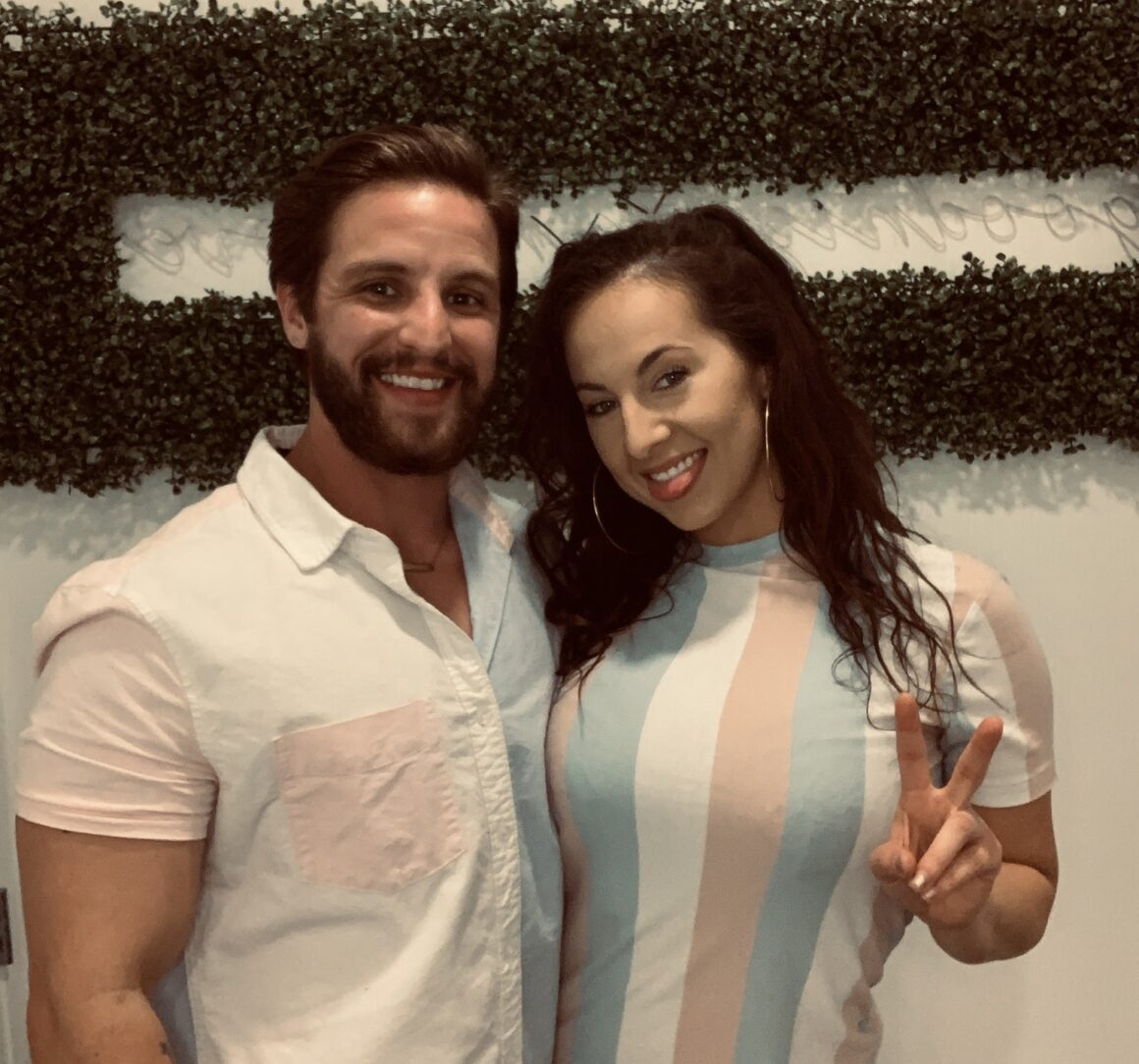
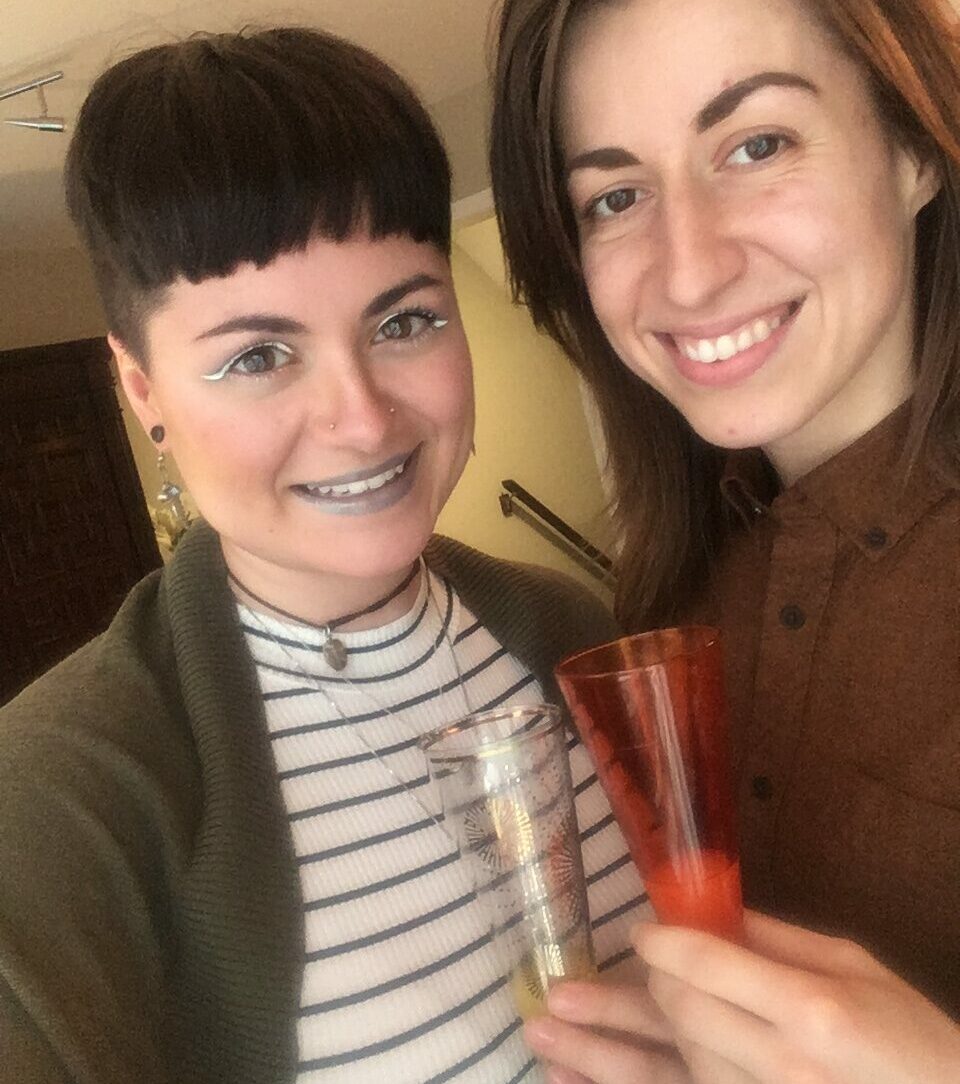
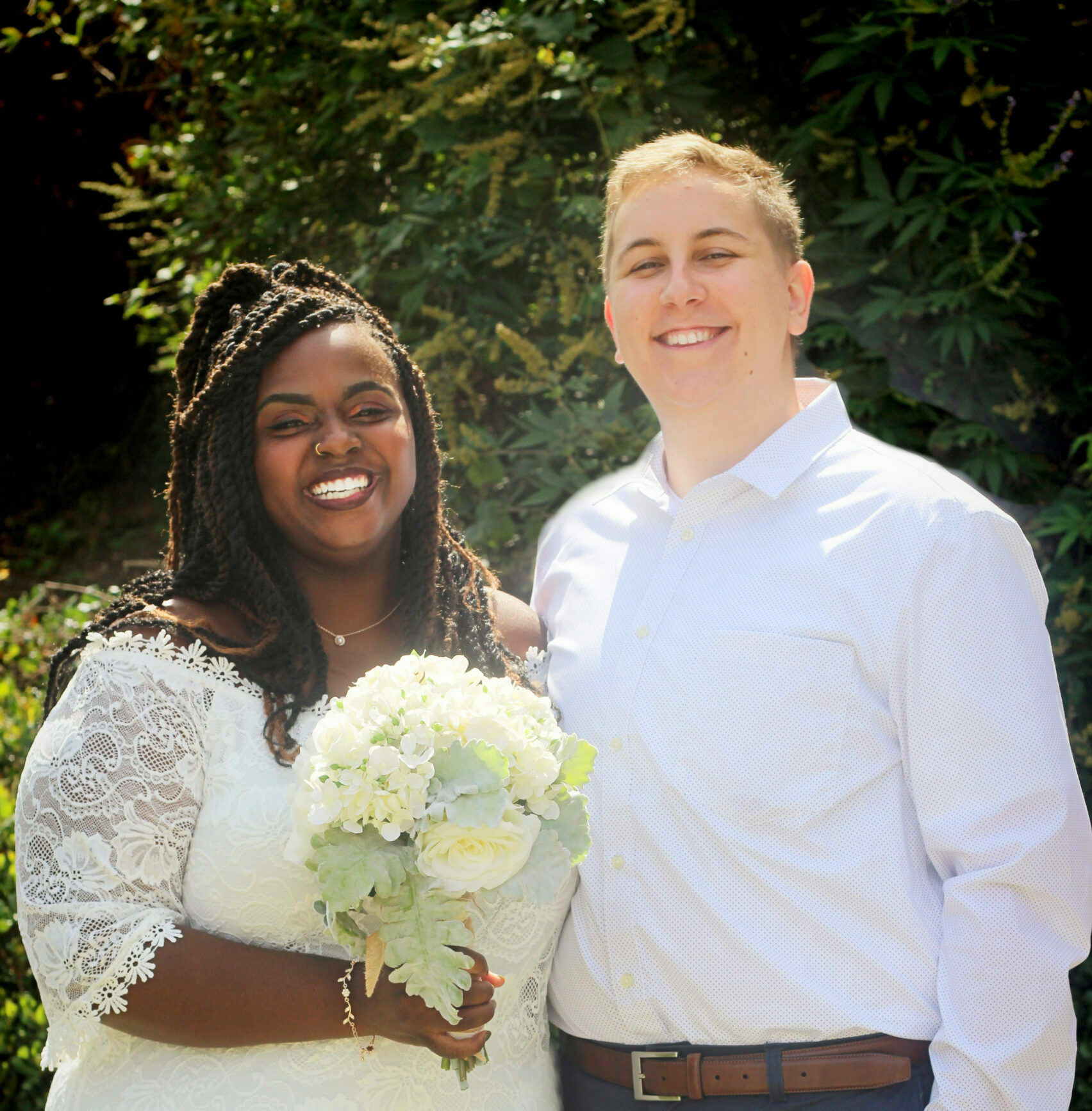
“I actually came out as a transgender male early this year. But I met Miya, a beautiful kind soul who loves me for me on Her and we now get to spend forever together because of this app”
“Bailey has recently come out as Non-Binary Trans, and I love them just the same. This has been the best year and a half of my life, and I look forward to many, many more.”
“We messaged a few times about tattoos and thinking each other were cute, and then we met for dinner at a rooftop bar in Hollywood. We spend that first night together, and were monogamous by the third date. We are a trans woman/cis woman couple.“
HER isn’t just another free TS dating app — it’s a safe space where trans people like you can build forever bonds and friendships with folks who share your passions and interests!
HER’s Communities is one of our most unique and exciting features! In the app, you’ll be able to join 35+ different communities and socially engage with other vibrant queer people in a fun, safe, and supportive environment.
For our transgender users, we’ve created dedicated spaces for non-binary people, trans women and trans men so you can get advice and share thoughts, tips, and feelings with other members of the community.
Join the support, excitement and sense of abundance in our thriving HER community today.
The push for gender-neutral pronouns (they/them/ze) and inclusive language originated within trans and non-binary circles and has since permeated mainstream corporate and social environments.
In recent years, much of the political friction surrounding LGBTQ+ rights has shifted specifically toward trans-inclusive healthcare and sports.
Transgender individuals have been the primary architects of much of the language and aesthetics used in LGBTQ+ culture today. shemale japan mai ayase mao hot
A common point of confusion within broader culture is the difference between sexual orientation and gender identity.
Despite the "pride" of the umbrella, the transgender community often faces steeper hurdles than their cisgender (LGB) peers. A common point of confusion within broader culture
The transgender community is currently leading the most significant cultural conversation of the 21st century: the decoupling of biology from destiny. As Gen Z and Gen Alpha embrace gender fluidity at record rates, the "transgender experience" is becoming less of a niche subculture and more of a blueprint for how everyone—queer or straight—can live more authentically.
The transgender community and the broader LGBTQ+ culture are bound by a shared history of resistance, a common fight for civil rights, and a vibrant tapestry of shared spaces. While "LGBTQ+" serves as an umbrella term, the "T" represents a distinct journey of gender identity that has both anchored and revolutionized the movement. As Gen Z and Gen Alpha embrace gender
Refers to who you are attracted to (sexual orientation). T (Transgender): Refers to who you are (gender identity).
The modern LGBTQ+ rights movement didn’t start in boardrooms; it started in the streets, led largely by transgender women of color. Figures like and Sylvia Rivera were at the forefront of the 1969 Stonewall Uprising. At the time, the distinction between "gay" and "transgender" was less rigid in the public eye—everyone who defied traditional gender and sexual norms was grouped together.
The push for gender-neutral pronouns (they/them/ze) and inclusive language originated within trans and non-binary circles and has since permeated mainstream corporate and social environments.
In recent years, much of the political friction surrounding LGBTQ+ rights has shifted specifically toward trans-inclusive healthcare and sports.
Transgender individuals have been the primary architects of much of the language and aesthetics used in LGBTQ+ culture today.
A common point of confusion within broader culture is the difference between sexual orientation and gender identity.
Despite the "pride" of the umbrella, the transgender community often faces steeper hurdles than their cisgender (LGB) peers.
The transgender community is currently leading the most significant cultural conversation of the 21st century: the decoupling of biology from destiny. As Gen Z and Gen Alpha embrace gender fluidity at record rates, the "transgender experience" is becoming less of a niche subculture and more of a blueprint for how everyone—queer or straight—can live more authentically.
The transgender community and the broader LGBTQ+ culture are bound by a shared history of resistance, a common fight for civil rights, and a vibrant tapestry of shared spaces. While "LGBTQ+" serves as an umbrella term, the "T" represents a distinct journey of gender identity that has both anchored and revolutionized the movement.
Refers to who you are attracted to (sexual orientation). T (Transgender): Refers to who you are (gender identity).
The modern LGBTQ+ rights movement didn’t start in boardrooms; it started in the streets, led largely by transgender women of color. Figures like and Sylvia Rivera were at the forefront of the 1969 Stonewall Uprising. At the time, the distinction between "gay" and "transgender" was less rigid in the public eye—everyone who defied traditional gender and sexual norms was grouped together.