Sibelius 6.2 Extra Quality -
Render high-quality audio samples for neurocognitive mechanism experiments using the Sound Essentials library.
Mastering Sibelius 6.2: A Legacy Powerhouse for Music Notation
Interestingly, Sibelius 6.2 has maintained a presence in scientific research long after its release. Due to its stability and precise MIDI handling, it is frequently cited in neuroscientific studies on music perception . Researchers have used Sibelius 6.2 to: sibelius 6.2
Transcribe traditional musical notations, such as Japanese shakuhachi notation, into standard Western staff notation. Technical Support and Modern Compatibility
: Sibelius 6 introduced the ability to save multiple versions of a score within the same file. This allowed composers to experiment with different arrangements or orchestrations without losing their original work. Researchers have used Sibelius 6
The 6.2 update focused heavily on stability and performance, but it also inherited the groundbreaking features that made Sibelius 6 a revolutionary leap forward:
As a legacy version, Sibelius 6.2 faces challenges on modern operating systems like Windows 11 or recent macOS versions. Users often rely on community forums and dedicated support groups to manage plugin updates. For example, some legacy plugins like "Filter Text" have been updated to bridge the gap between Sibelius 6.2 and newer versions . the introduction of Magnetic Layout
: The final build of this era is often cited as 6.2.0.88; ensure you have applied all available service packs for peak stability. Conclusion
Sibelius 6.2 represents the pinnacle of "pre-ribbon" Sibelius. It remains a beloved tool for its speed, the introduction of Magnetic Layout, and its enduring reliability in academic settings. While the industry has largely moved to the subscription-based "Ultimate" versions, 6.2 stands as a testament to the era when Sibelius redefined how we see music on the screen.
Sibelius 6.2 remains a significant milestone in the history of music notation software. Released as a refined update to the Sibelius 6 series, it solidified the transition of the platform under Avid's ownership while maintaining the "classic" feel that many long-time users still prefer today.

 Create a project on CADLAB.io
 Upload PCB design files
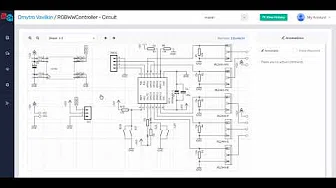 View schematics and board layouts
 Visual schematic and layout diff
 Design annotations
 Organizations and project members
 GitHub integration
 GitHub Chrome extension