The biggest driver in modern entertainment content is the algorithm. Platforms like Netflix, YouTube, and Spotify use massive amounts of data to predict what we want to see next. This has led to the rise of .
Despite these technological leaps, the core of popular media remains the same: it is a mirror reflecting our collective desires, fears, and joys. Whether it’s a 15-second viral dance or a 10-part prestige docuseries, we are always looking for stories that make us feel a little less alone.
Platforms like Instagram, TikTok, and Twitch have democratized entertainment. A teenager in their bedroom can command a larger audience than a traditional cable TV show. This has birthed the , where authenticity and relatability often trump high production values. The Transmedia Storytelling Era
While this ensures we are rarely bored, it also creates "filter bubbles." If an algorithm knows you like a specific genre of action movie, it will keep feeding you similar content, potentially limiting your exposure to diverse perspectives or new artistic styles. Popular media today is as much about data science as it is about creative storytelling. The Rise of User-Generated Content (UGC)
The Evolution of Entertainment Content and Popular Media: From Radio to Reels
In the modern age, are more than just a way to kill time—they are the fabric of our social lives . From the serialized dramas of 19th-century newspapers to the algorithmic feeds of TikTok, the way we consume stories has fundamentally shifted, yet our hunger for connection remains the same. The Shift from Passive to Active Consumption
For decades, popular media was a one-way street. Families gathered around the radio or the television set, consuming whatever the major networks decided to air. This "appointment viewing" created a unified cultural language; everyone was watching the same sitcom or news broadcast at the same time.
Today, the landscape is fragmented. High-speed internet and mobile technology have turned us into active curators. We no longer wait for a scheduled program; we demand content that fits our specific moods, niches, and schedules. This shift from means that while we have more choices than ever, the "watercooler moments" of the past are becoming increasingly rare. The Power of the Algorithm
Perhaps the most significant change in popular media is the blurring of the line between creator and consumer. In the past, "the media" referred to a handful of massive studios and publishing houses. Now, anyone with a smartphone is a media outlet.
As we look toward the future, technologies like and Artificial Intelligence (AI) promise to reshape the landscape yet again. We are moving toward a world where entertainment content is not just something we watch, but something we inhabit.
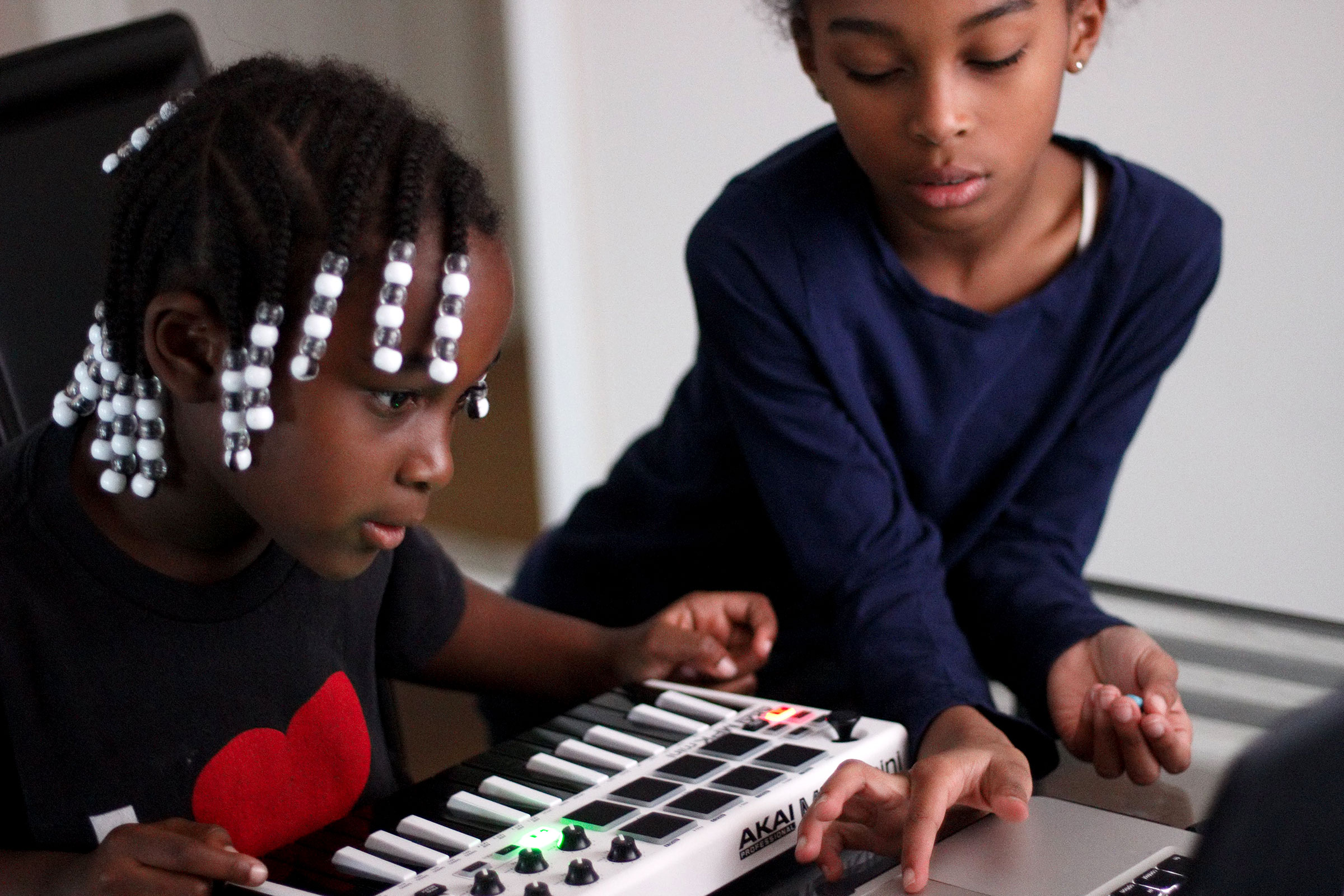
Kids learn best when they’re engaged. Melodics™ makes it easy.
We understand how hard it is to make practice a habit.
Practice goals, streaks, rewards & challenges – Melodics is practice your kids will actually want to do.
The biggest driver in modern entertainment content is the algorithm. Platforms like Netflix, YouTube, and Spotify use massive amounts of data to predict what we want to see next. This has led to the rise of .
Despite these technological leaps, the core of popular media remains the same: it is a mirror reflecting our collective desires, fears, and joys. Whether it’s a 15-second viral dance or a 10-part prestige docuseries, we are always looking for stories that make us feel a little less alone.
Platforms like Instagram, TikTok, and Twitch have democratized entertainment. A teenager in their bedroom can command a larger audience than a traditional cable TV show. This has birthed the , where authenticity and relatability often trump high production values. The Transmedia Storytelling Era xxxhotindia
While this ensures we are rarely bored, it also creates "filter bubbles." If an algorithm knows you like a specific genre of action movie, it will keep feeding you similar content, potentially limiting your exposure to diverse perspectives or new artistic styles. Popular media today is as much about data science as it is about creative storytelling. The Rise of User-Generated Content (UGC)
The Evolution of Entertainment Content and Popular Media: From Radio to Reels The biggest driver in modern entertainment content is
In the modern age, are more than just a way to kill time—they are the fabric of our social lives . From the serialized dramas of 19th-century newspapers to the algorithmic feeds of TikTok, the way we consume stories has fundamentally shifted, yet our hunger for connection remains the same. The Shift from Passive to Active Consumption
For decades, popular media was a one-way street. Families gathered around the radio or the television set, consuming whatever the major networks decided to air. This "appointment viewing" created a unified cultural language; everyone was watching the same sitcom or news broadcast at the same time. Despite these technological leaps, the core of popular
Today, the landscape is fragmented. High-speed internet and mobile technology have turned us into active curators. We no longer wait for a scheduled program; we demand content that fits our specific moods, niches, and schedules. This shift from means that while we have more choices than ever, the "watercooler moments" of the past are becoming increasingly rare. The Power of the Algorithm
Perhaps the most significant change in popular media is the blurring of the line between creator and consumer. In the past, "the media" referred to a handful of massive studios and publishing houses. Now, anyone with a smartphone is a media outlet.
As we look toward the future, technologies like and Artificial Intelligence (AI) promise to reshape the landscape yet again. We are moving toward a world where entertainment content is not just something we watch, but something we inhabit.
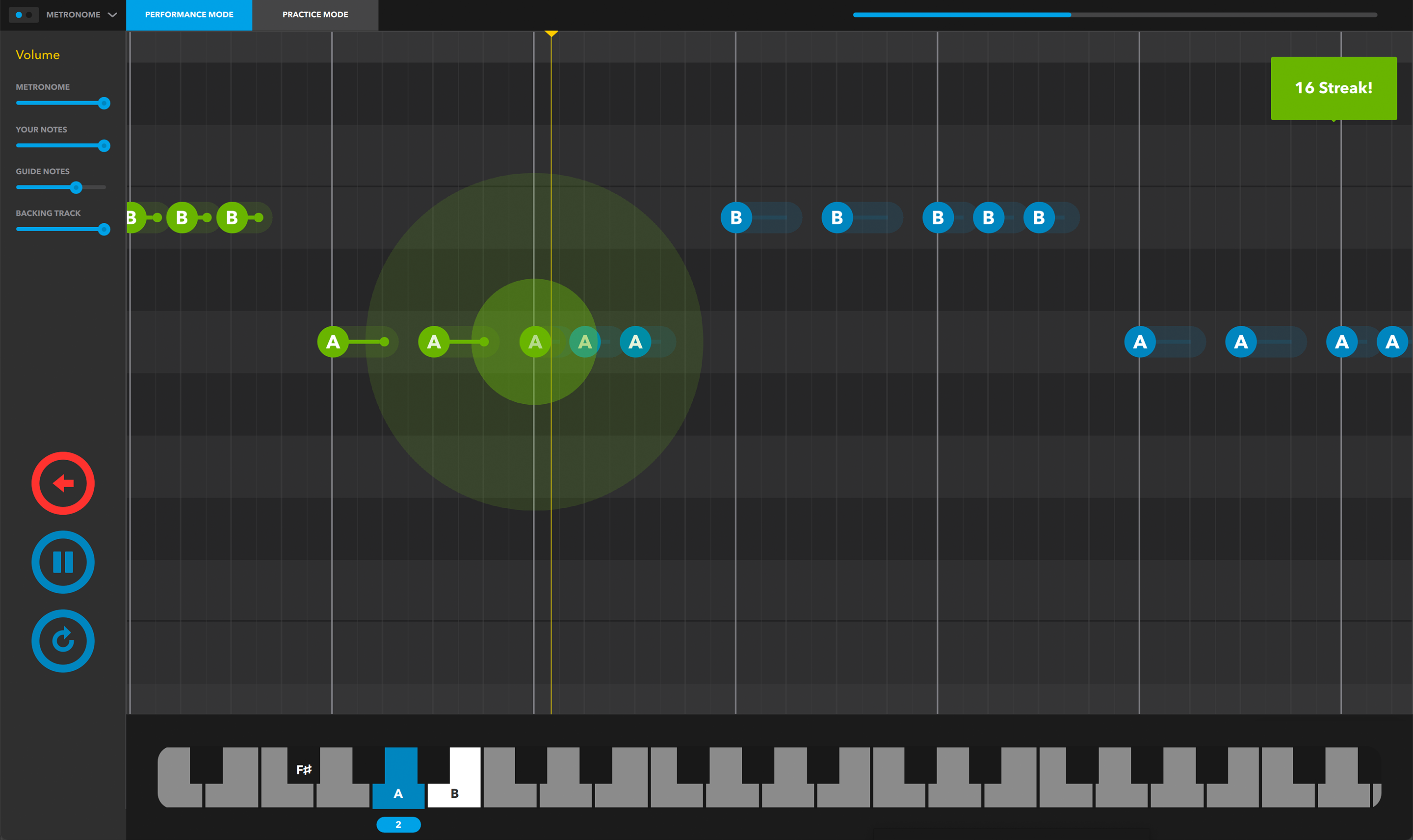
Melodics is the best way to learn to play your music.
Music lessons are traditionally boring, expensive and time consuming.
Learning music with Melodics is relevant, addictive, rewarding, and most of all FUN.
Just 5 minutes a day is all your kids need to start making progress.
Melodics can help students develop an active and confident relationship with music. – Rodi Kirk, Melodics head of education
Melodics works on iPhone, iPad, Mac & Windows PC.
Yes. The majority of music in Melodics is instrumental, and of the small amount that include lyrics there is no profanity or inappropriate themes.
No, all instruments are playable using your computer keyboard (with some restrictions), but your kids will get a lot more out of Melodics if you do have access to hardware. Melodics supports learning with MIDI keyboards, MIDI pad controllers, and electronic drums.
No. Meldoics connects to the internet to save progress & download new lesson content, but there is no interaction between users.
An email address is required to setup a Melodics account – we suggest you set up the account using yours. There is messaging within the app, and that is rule-based, vetted, and designed to encourage & support the users learning. There is no live chat in Melodics.
It’s both! We have an accomplished in-house music team with education backgrounds authoring our content, as well as collaborating with artists & educators from around the world. Melodics often feels like a game, because the best way to improve your musical skills is to practice, and the best way to stick with practice is to make it fun!
We have an extensive list of FAQs available on our support page, or feel free to get in touch with us.
Lesson title here
You can play it with your computer keyboard, but it is a much better experience with access to a MIDI keyboard, pad controller, or MIDI drum kit.
These MIDI devices are connected: